If you want to know which electric vehicle will actually save you from a crash - and which one will drive you into one - look no further than the 2024 Dongchedi (DCAR) Intelligent Driving Tournament.
In collaboration with CCTV, China's leading auto platform took 36 vehicles, threw them through 15 nightmare scenarios (over 234 simulations), and exposed the brutal truth about self-driving tech. The venue? A closed-off 15km highway and a simulated urban track.
The core question wasn't about luxury. It was about Safety Success Rate - pass or fail, no excuses.
The Nightmare Scenarios
This wasn't a sunny-day lane-keeping test. The test definitions were designed to break cars.
Highway Scenarios (6 Tests)
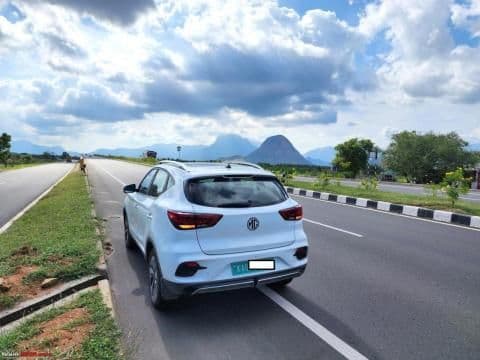
- A stationary obstacle at 110-130 km/h (your worst highway nightmare)
- A sudden construction zone with lane shifts
- A "disappearing lead vehicle" - the car in front swerves last-second to reveal a stationary hazard
- An aggressive cut-in from an entrance ramp
- A colliding wild boar - low-profile, fast, and easy to miss
Urban Scenarios (9 Tests)
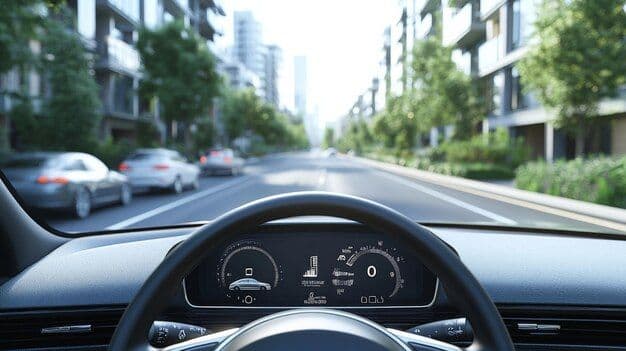
- Blind spot left turns
- A group of four schoolchildren crossing
- A diagonal e-bike with a child (non-linear movement)
- Reverse AEB (emergency braking while backing out)
- A child darting from behind a parked van
In other words: the kind of chaos you pray your car can handle.
The Elite: Tesla's Vision-Only Gamble Pays Off
The top tier delivered clear winners - and a few shocks.
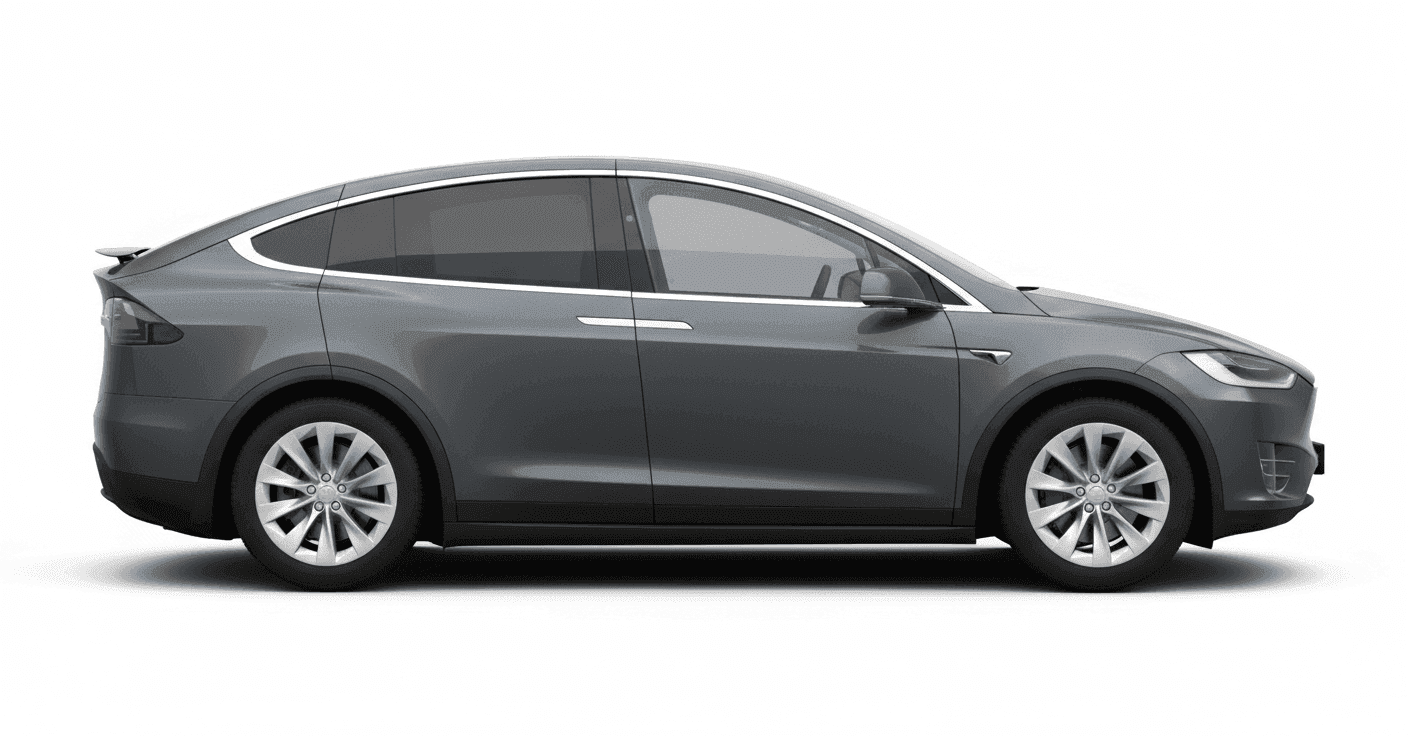
Tesla Model X (HW4, Vision-Only) was the undisputed king: 5/6 on highway, 8/9 on urban. It was the only car to pass the infamous Wild Boar test. Its only failures? The Reverse AEB (U6) and the Construction Zone truck (H2). If you drive mostly highway, this is your safety net.
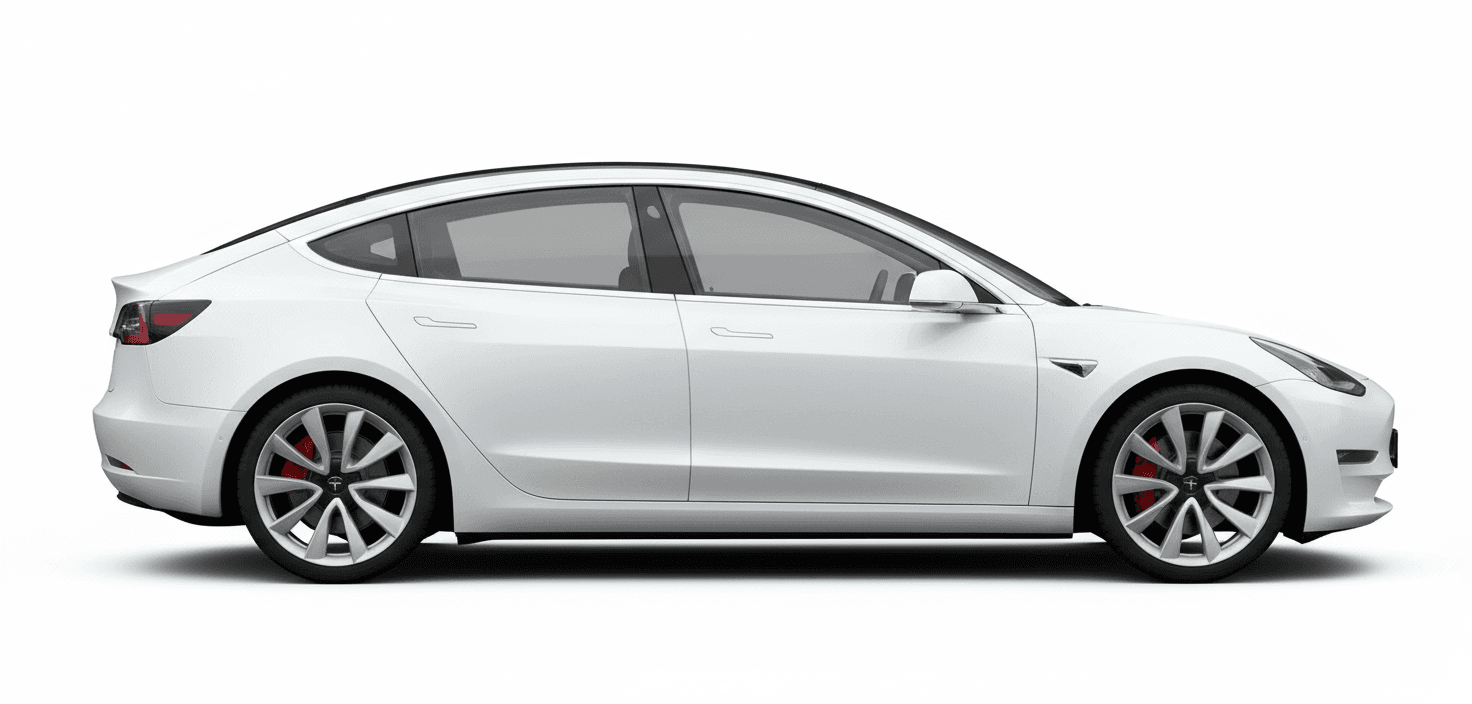
Tesla Model 3 (Highland) mirrored the highway success (5/6) but stumbled hard in the city (5/9). It identified the boar but braked too late - a classic "saw it, didn't stop it" problem.
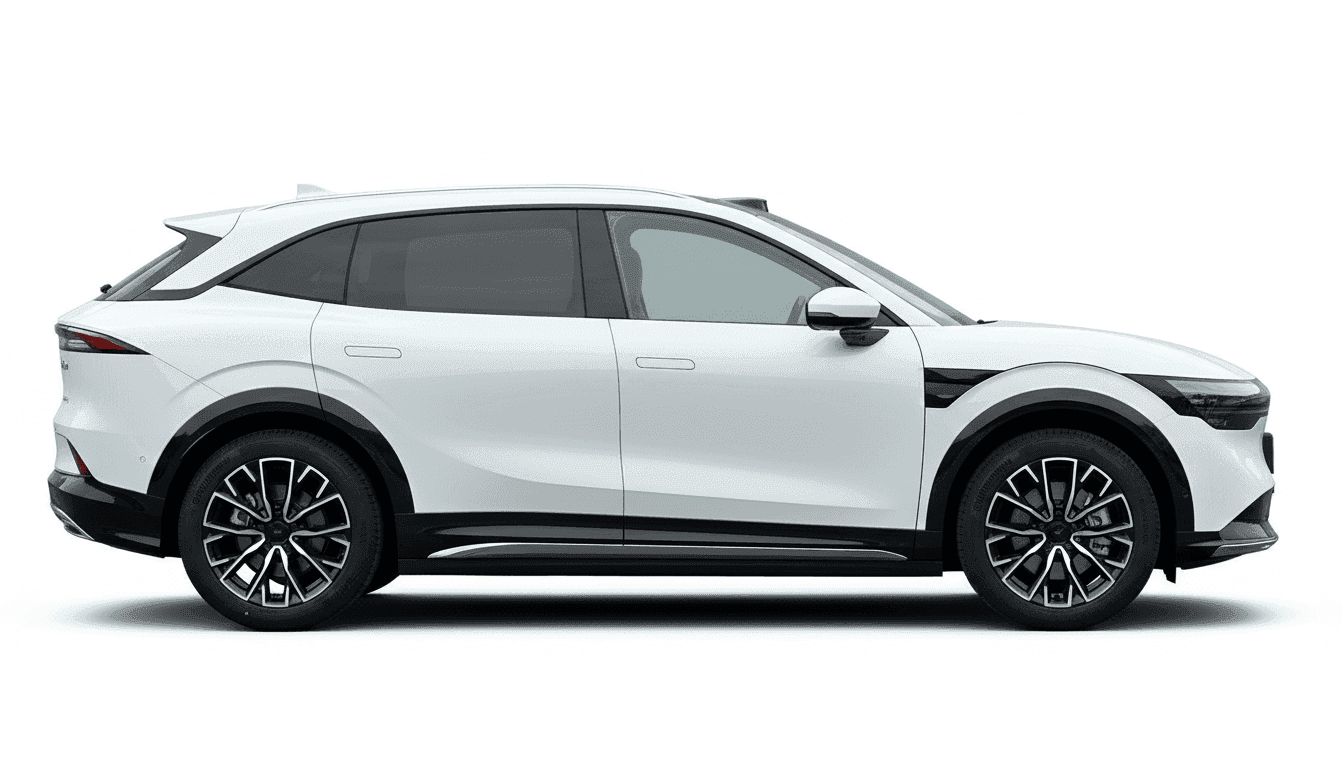
Then came the Huawei ADS 3.0 contingent. The Luxeed R7 skipped highway testing but scored 7/9 urban, tying for 2nd in city scenarios. The Avatr 12 also hit 7/9 urban, excelling at roundabouts and complex turns. But on highway? Only 3/6.
5 /6
Tesla Model X Highway Score
8 /9
Tesla Model X Urban Score
7 /9
Luxeed R7 Urban Score
7 /9
Avatr 12 Urban Score
3 /6
Avatr 12 Highway Score
The Mid-High Tier: Surprises and Splits
The AITO M9 (Huawei ADS 3.3 with LiDAR + 4D Radar) should have dominated. Instead, it scored 3/6 highway and 5/9 urban. Its most alarming failure? The "Disappearing Lead Vehicle" scenario at 130 km/h - exactly the situation where you need the car to not hesitate.
The WEY Blue Mountain was the surprise 3rd-place highway performer (3/6), but struggled badly with urban pedestrians.
The GAC Toyota Beyond Zero 3X (Momenta-based ADAS) didn't run highway but scored 7/9 urban - making it the best budget-friendly urban performer in the tournament.
| Vehicle | Highway Score | Urban Score | Notable Result |
|---|---|---|---|
| Tesla Model X (HW4, Vision-Only) | 5/6 | 8/9 | Only car to pass Wild Boar test |
| Tesla Model 3 (Highland) | 5/6 | 5/9 | Saw boar but braked too late |
| Luxeed R7 (Huawei ADS 3.0) | N/A | 7/9 | Skipped highway testing |
| Avatr 12 (Huawei ADS 3.0) | 3/6 | 7/9 | Strong in roundabouts and U-turns |
| AITO M9 (Huawei ADS 3.3) | 3/6 | 5/9 | Failed Disappearing Lead Vehicle at 130 km/h |
| WEY Blue Mountain | 3/6 | Low | Struggled with urban pedestrians |
| GAC Toyota Beyond Zero 3X | N/A | 7/9 | Best budget urban performer |
| Xiaomi SU7 | Low | Low | Braked then released before impact |
| Zeekr 7X / 001 | 0-1/6 | Low | Could not recognize stationary truck or boar |
| Onvo L60 | N/A | 0/9 | Total failure on all pedestrian tests |
| Baojun Xiangjing | 0% | 0% | Failed 100% of all attempts |
| Mercedes-Benz C-Class | Failed | N/A | Radar sensor shattered on Wild Boar test |
The Strugglers: When ADAS Fails Completely
This is where it gets uncomfortable.
The Xiaomi SU7 (Xiaomi Pilot) showed "in-development" behavior: it would brake, then release the brakes before impact. That is not a safety system. That is a beta test on wheels.
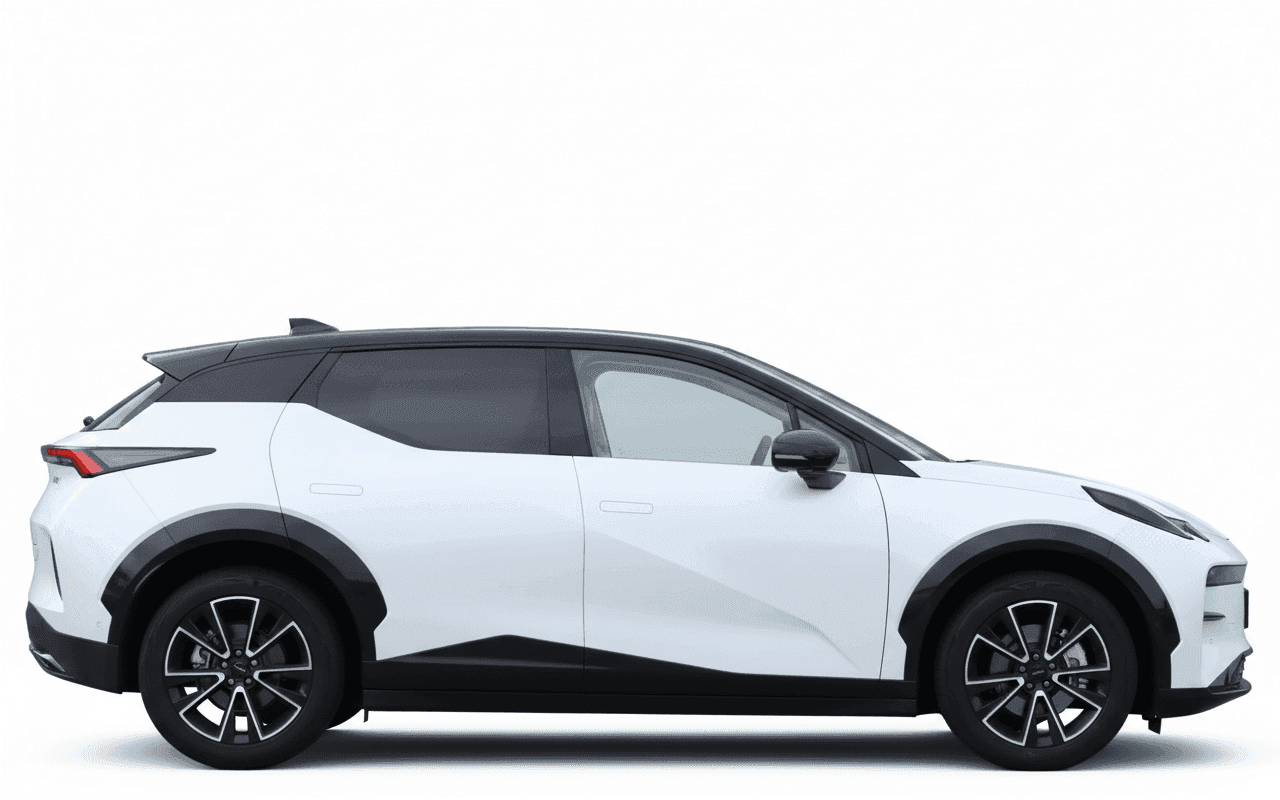
Zeekr (7X and 001) failed nearly every highway scenario - unable to recognize a stationary truck or the wild boar. Zero or 1 pass across the board.
The Onvo L60 (NIO sub-brand) scored 0/9 urban. Zero. Total failure on every pedestrian test. The Baojun Xiangjing failed 100% of attempts.
And perhaps the most ironic failure? The Mercedes-Benz C-Class with legacy radar and camera: its radar sensor physically shattered during the Wild Boar test. It never saw the obstacle.
Three Analytical Angles
1. The LiDAR Paradox
Many Chinese EVs carried three or more LiDAR units. They still failed high-speed tests that Tesla's cameras passed with ease. Software logic and latency matter more than raw sensor data. You can have the most expensive sensor suite in the world, but if your algorithm hesitates, you crash.
2. The Speed Barrier
Across all brands, performance collapsed once speeds exceeded 120 km/h. The data is clear: safe ADAS is currently limited to 110 km/h and below. If you routinely drive at 130 km/h, you are the real-world crash test dummy.
3. Urban Complexity = Different Leaders
Tesla wins raw detection. But Huawei-backed cars (AITO, Luxeed) showed smoother, more human-like behavior in roundabouts and U-turns. The city favors smooth sensor fusion over raw reaction speed.
Final Verdict
The 2024 Dongchedi tournament delivered one of the most honest head-to-head safety comparisons ever conducted on production EVs. Here is what the data tells you to do:
- Safest highway car today: Tesla Model X
- Smoothest city driving: Huawei ADS 3.x cars (Luxeed R7, Avatr 12)
- Avoid until further notice: Zeekr, Onvo, Baojun Xiangjing, and current Xiaomi Pilot
And never assume that more sensors equals more safety. The boar doesn't care about your LiDAR count. It cares about your braking logic.
Which EV performed best overall in the 2024 Dongchedi tournament?+
The Tesla Model X (HW4, Vision-Only) was the top overall performer, scoring 5/6 on highway scenarios and 8/9 on urban scenarios. It was also the only vehicle to pass the Wild Boar detection test.
Did LiDAR-equipped cars outperform Tesla's camera-only system?+
No. Despite many Chinese EVs carrying three or more LiDAR units, Tesla's vision-only system outperformed them in high-speed highway tests. Software logic and reaction latency proved more important than sensor hardware.
What is the safe speed limit for current ADAS systems?+
Based on the tournament data, ADAS performance collapsed above 120 km/h across all brands tested. Current systems are most reliable at 110 km/h and below.
Which cars failed the most tests in the tournament?+
The Onvo L60 scored 0/9 in urban scenarios, the Baojun Xiangjing failed 100% of all attempts, and Zeekr models (7X and 001) passed almost no highway scenarios. The Xiaomi SU7 exhibited dangerous behavior by braking then releasing pressure before impact.
Is Huawei's ADAS system better than Tesla's?+
It depends on the environment. Tesla's system showed superior raw detection at high speed on the highway. Huawei ADS 3.x (as seen in the Luxeed R7 and Avatr 12) demonstrated smoother, more human-like behavior in complex urban situations like roundabouts and U-turns.