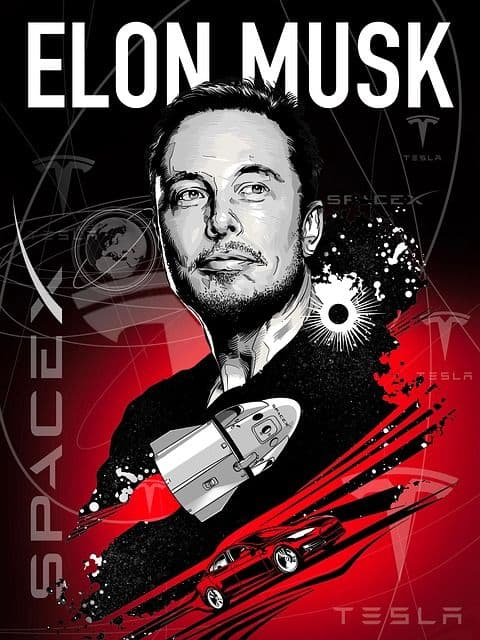
Elon Musk, through Tesla, Inc., is pioneering the future of transportation with a vision for fully autonomous vehicles. Tesla's driverless car ecosystem includes the Full Self-Driving (FSD) Beta software suite and the anticipated dedicated Robotaxi, known as the Cybercab. These innovations aim to operate without human intervention, relying on advanced AI-driven vision systems. While the technology is groundbreaking, it currently operates as an advanced driver-assistance system (ADAS) at Level 2 partial automation, with the goal of transitioning to unsupervised full self-driving capabilities in the future.
In this article, we explore how Tesla's driverless technology works, the safety and security challenges it faces, its evolution from driver assistance to fully autonomous, and address common questions about the project.
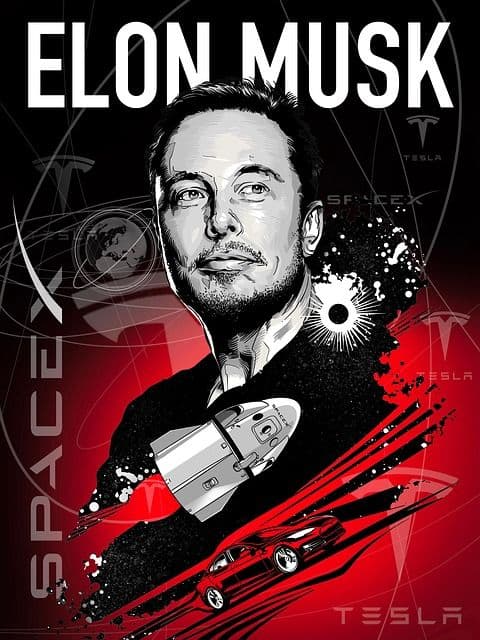
How Tesla's Driverless Technology Works
Tesla's approach to autonomous driving is built on cutting-edge AI and a vision-based system. Here is a step-by-step breakdown of how this technology functions:
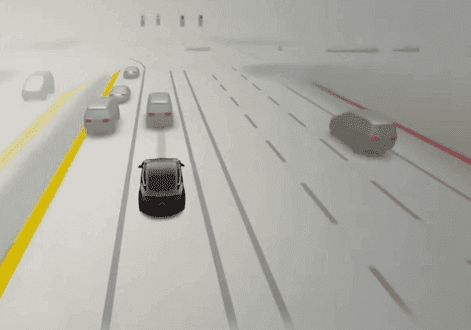
- Vision-Based Perception Processing - Tesla vehicles are equipped with an eight-camera neural network architecture that provides 360-degree environmental data. Unlike many competitors, Tesla has eliminated reliance on LiDAR and Radar, opting for a pure computer vision approach to interpret surroundings.
- Fleet Learning and Neural Network Training - Tesla leverages data from millions of its vehicles on the road to train its autonomous algorithms, refining decision-making through real-world scenarios. The company uses its Dojo supercomputer to process vast amounts of data, particularly for handling edge-case scenarios that challenge autonomous systems.
- Real-World Deployment and Validation - Tesla conducts "shadow mode" testing in consumer vehicles, allowing the system to simulate autonomous driving while a human driver remains in control. Over-the-air software updates continuously expand the system's capabilities, ensuring it evolves based on new data and feedback.
8 cameras providing 360-degree coverage
Camera Array
Vision-only - no LiDAR or Radar
Sensor Strategy
Dojo supercomputer for edge-case processing
Training Infrastructure
Level 2 (supervised ADAS)
Current Autonomy Level
Over-the-air (OTA) software updates
Update Method
Safety Risks and Security Challenges
While Tesla's driverless technology holds immense promise, it also comes with significant risks and challenges that must be addressed before mass deployment.
From Driver Assistance to Fully Driverless
Tesla's journey toward fully autonomous vehicles is a phased process, with clear distinctions between current capabilities and future goals.
Current Limitations
At present, Tesla's FSD operates under supervised conditions, meaning a human driver must remain alert and ready to take control at any time. This distinguishes Autopilot - a driver-assistance feature - from Full Self-Driving, which is a goal yet to be fully realized.
Robotaxi Roadmap
![Here are First Rides in a Tesla CyberCab Robotaxi [VIDEOS] | TeslaNorth.com](/_next/image?url=https%3A%2F%2Fambitious-canvas-cb6fda5312.media.strapiapp.com%2Felon_musk_tesla_driverless_car_revolution_20260318_here_are_first_rides_in_a_tesla_cybercab_robotaxi_videos_tes_8d6dca9fa1.jpeg&w=1920&q=75)
Tesla is working on the Cybercab, a purpose-built Robotaxi designed without steering wheels or pedals, signaling a future where human intervention is unnecessary. This transition aims to redefine urban mobility, enabling shared autonomous fleets for ride-hailing services, delivering lower cost per mile and 24/7 mobility-as-a-service (MaaS).
Regulatory Timeline
Achieving unsupervised autonomous operation requires regulatory approval akin to FDA processes for medical devices. This involves rigorous testing and validation to ensure safety across diverse environments and scenarios. High-profile incidents and public trust concerns further complicate the path to approval.
Tesla Autonomy Roadmap
| Stage | Status | Key Features |
|---|---|---|
| Autopilot | Live (Level 2 ADAS) | Lane keeping, adaptive cruise control |
| FSD Beta | Supervised (Level 2) | City streets, traffic lights, turns |
| Unsupervised FSD | In development | No human intervention required |
| Cybercab (Robotaxi) | Planned - no steering wheel | Purpose-built, driverless, fleet-operated |
Frequently Asked Questions
Is Tesla's FSD actually driverless today?+
No. Tesla's Full Self-Driving (FSD) system currently requires human supervision. While it can handle many driving tasks autonomously, it operates at Level 2 automation, meaning a driver must remain attentive and ready to intervene at all times.
How does Tesla's approach differ from Waymo or Cruise?+
Tesla relies solely on a vision-based system using cameras and neural networks, while competitors like Waymo and Cruise often integrate LiDAR and Radar for enhanced environmental mapping. Tesla's approach also benefits from vast fleet learning data collected from millions of consumer vehicles.
What is the Cybercab release timeline?+
Tesla has not announced an official release date for the Cybercab. Elon Musk has indicated it is part of the company's long-term vision for a fully autonomous Robotaxi fleet. Updates on timelines are expected during Tesla events and earnings calls, though regulatory hurdles may significantly influence the schedule.
What are the biggest risks facing Tesla's autonomous driving program?+
The key challenges include cybersecurity vulnerabilities such as potential hacking of autonomous fleets, systemic technical failure modes in complex urban environments, legal and ethical accountability in the event of accidents, and building sufficient public trust following high-profile incidents.