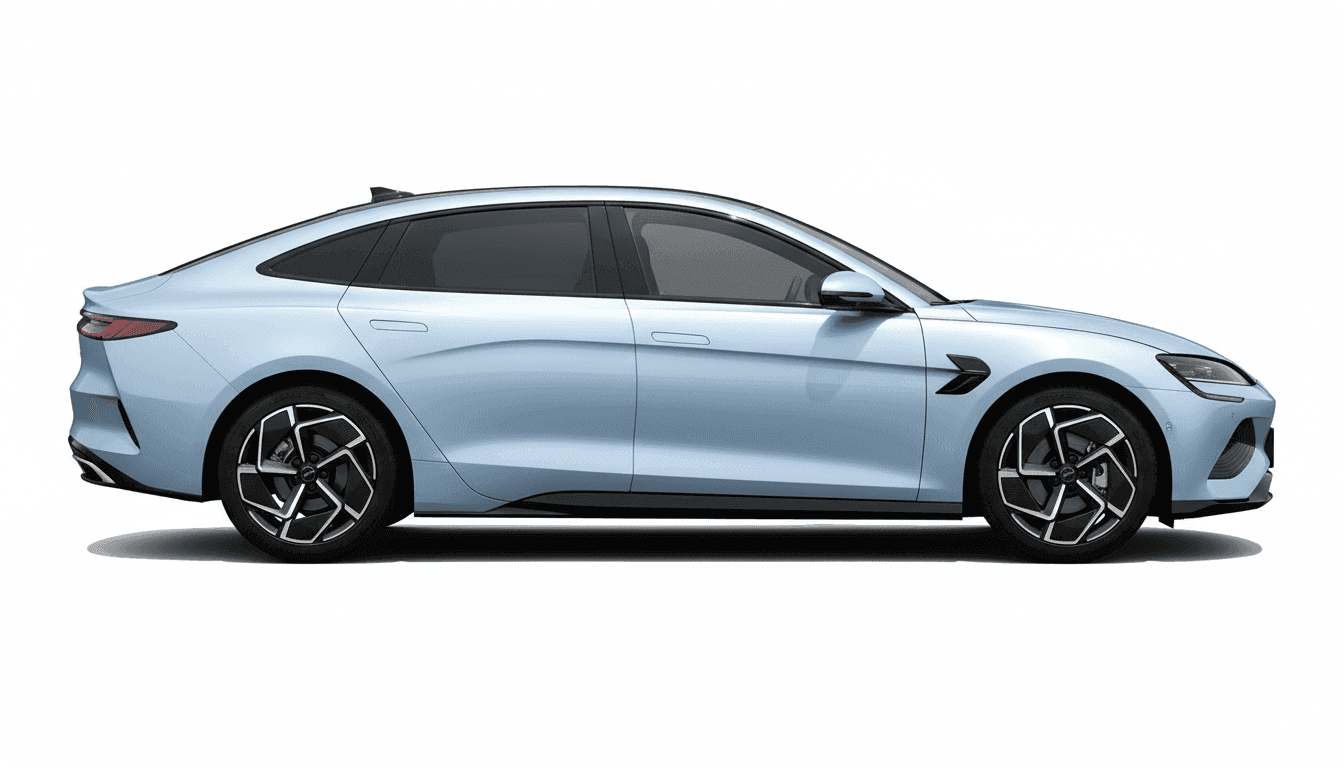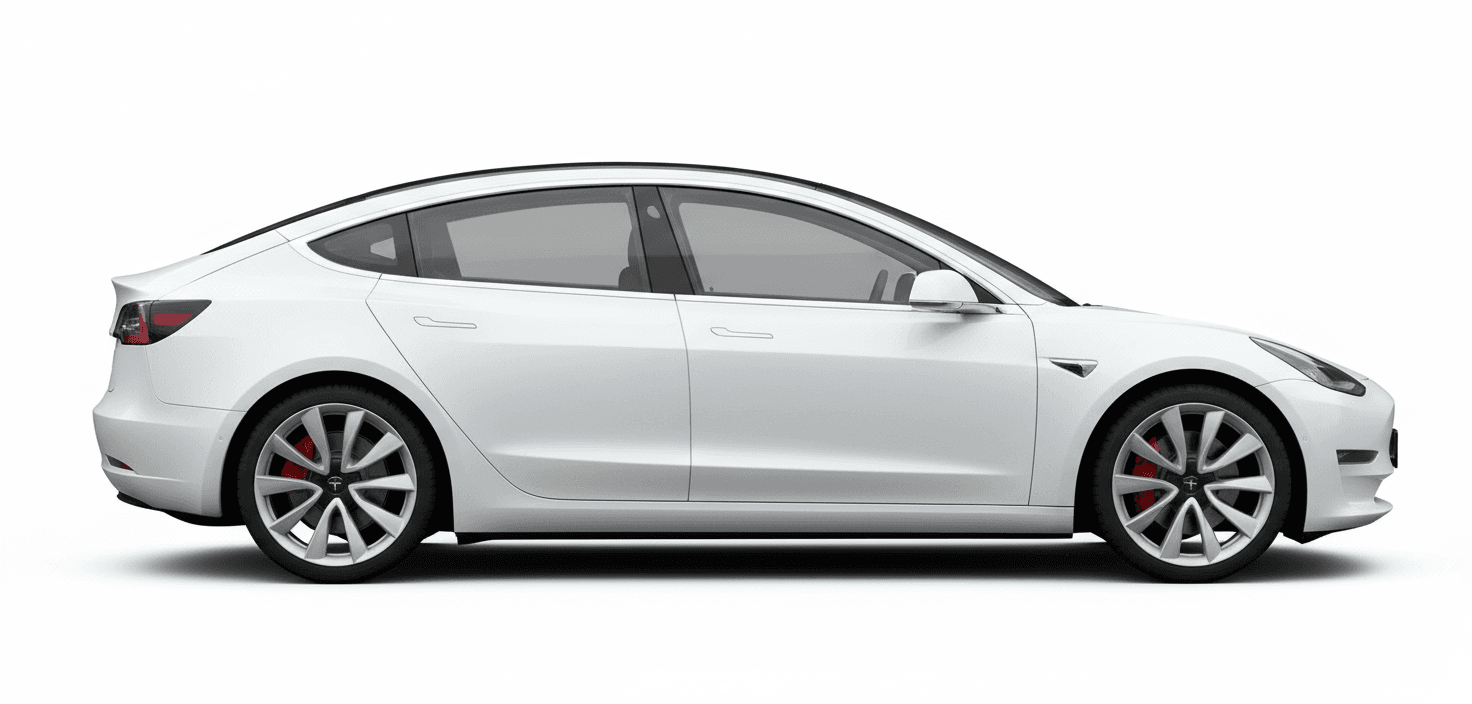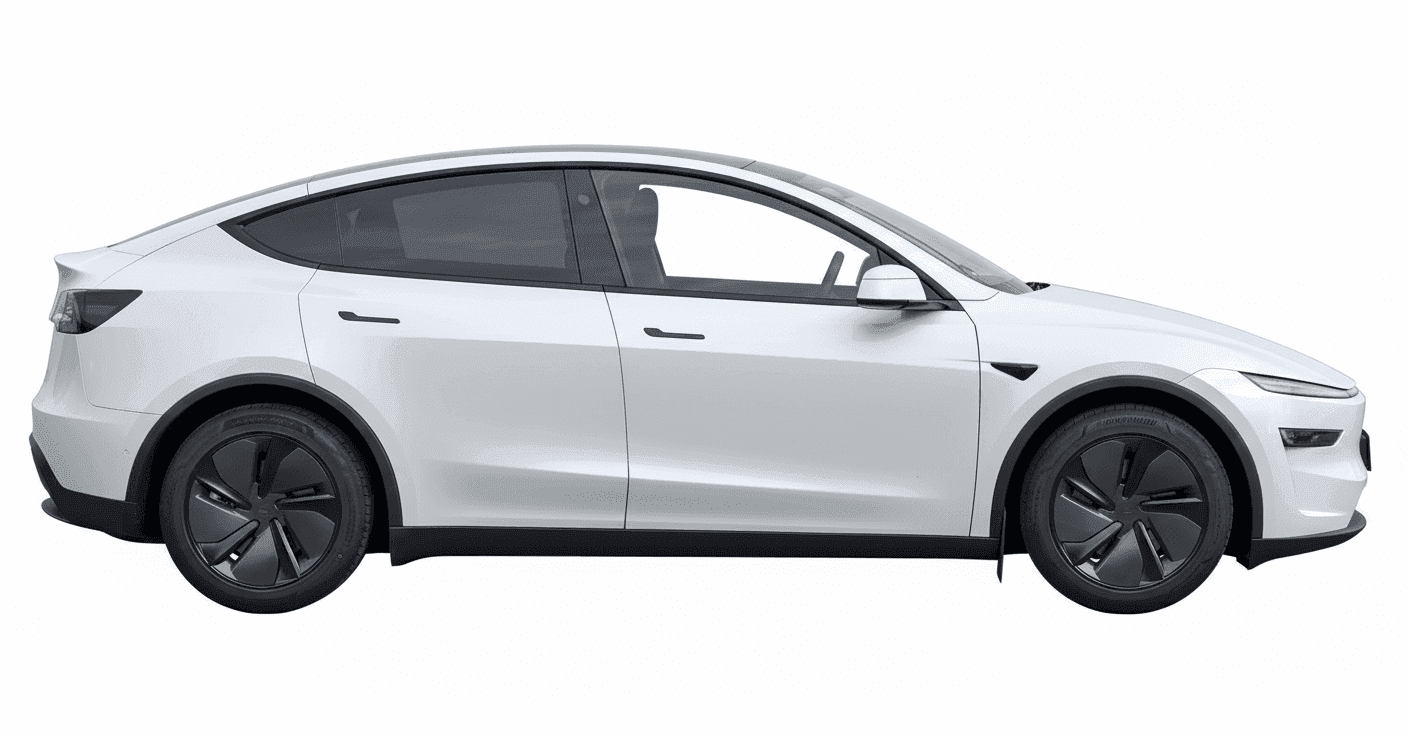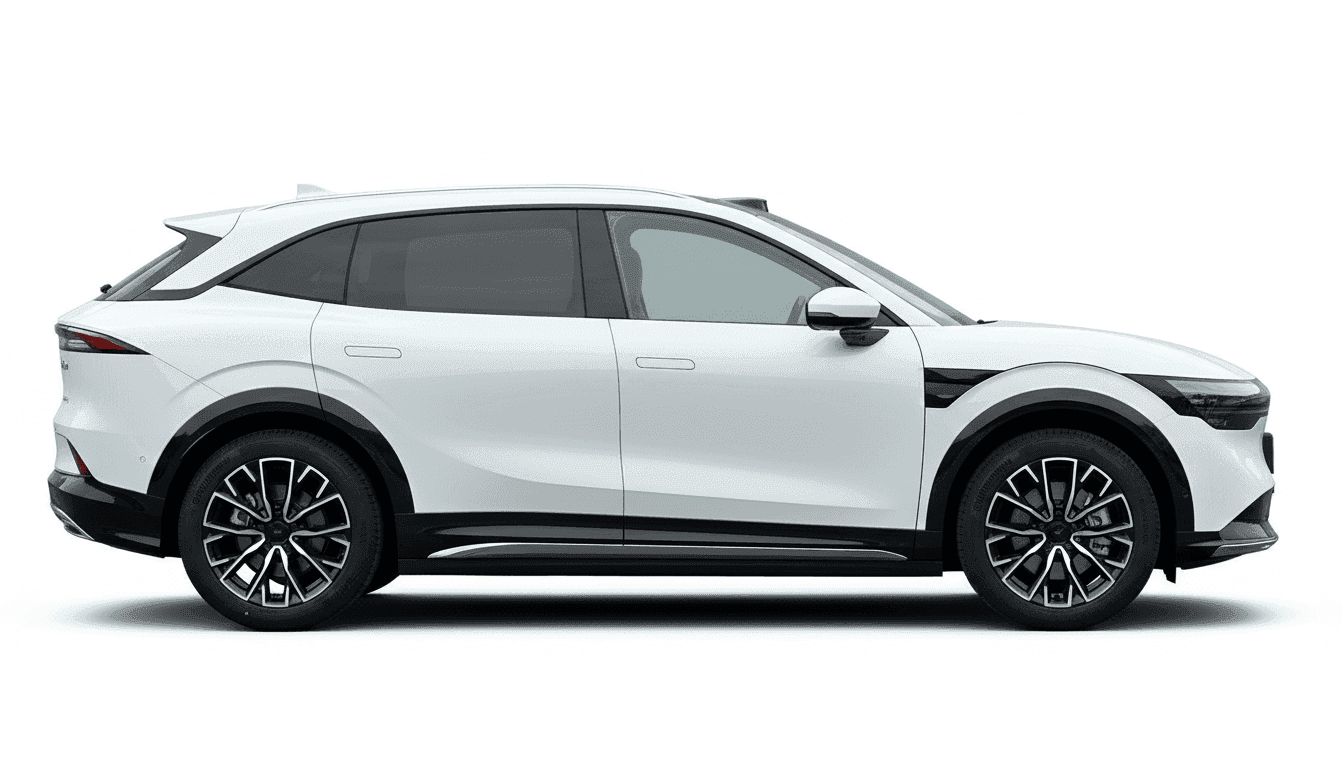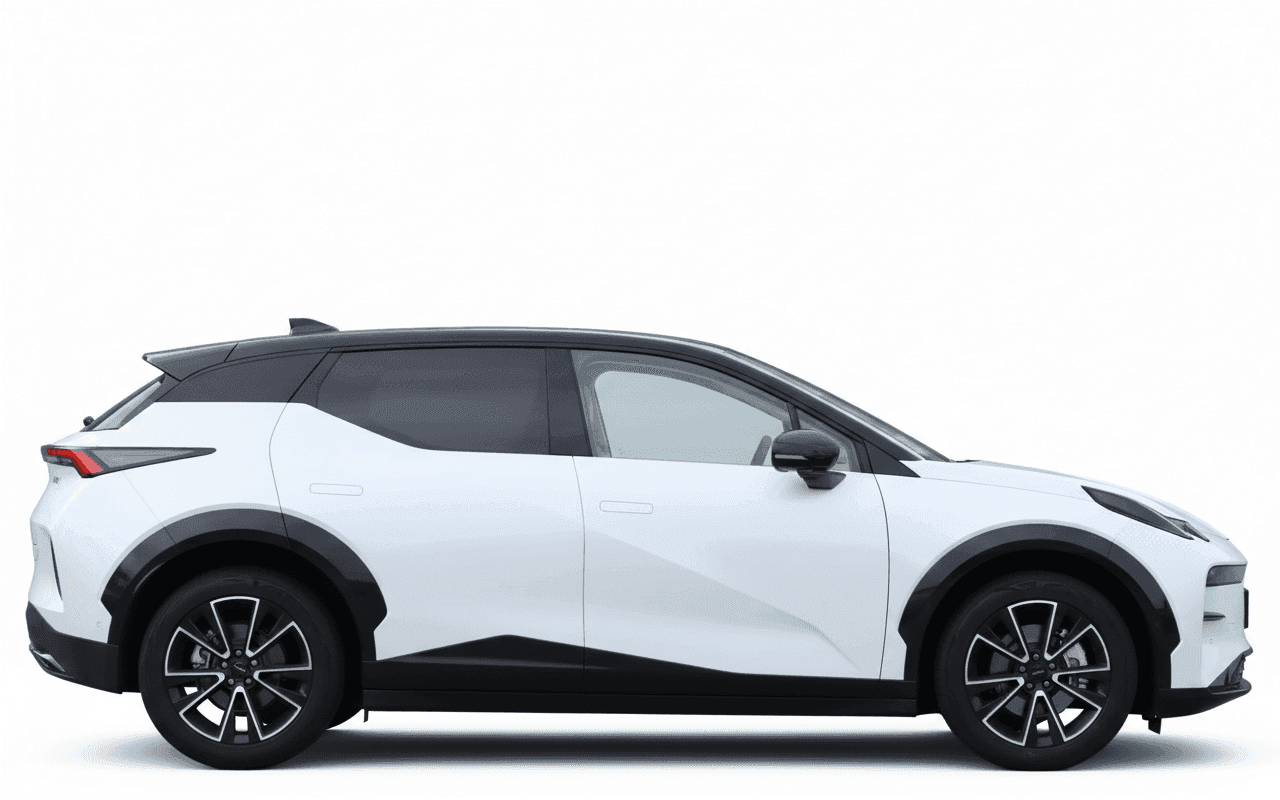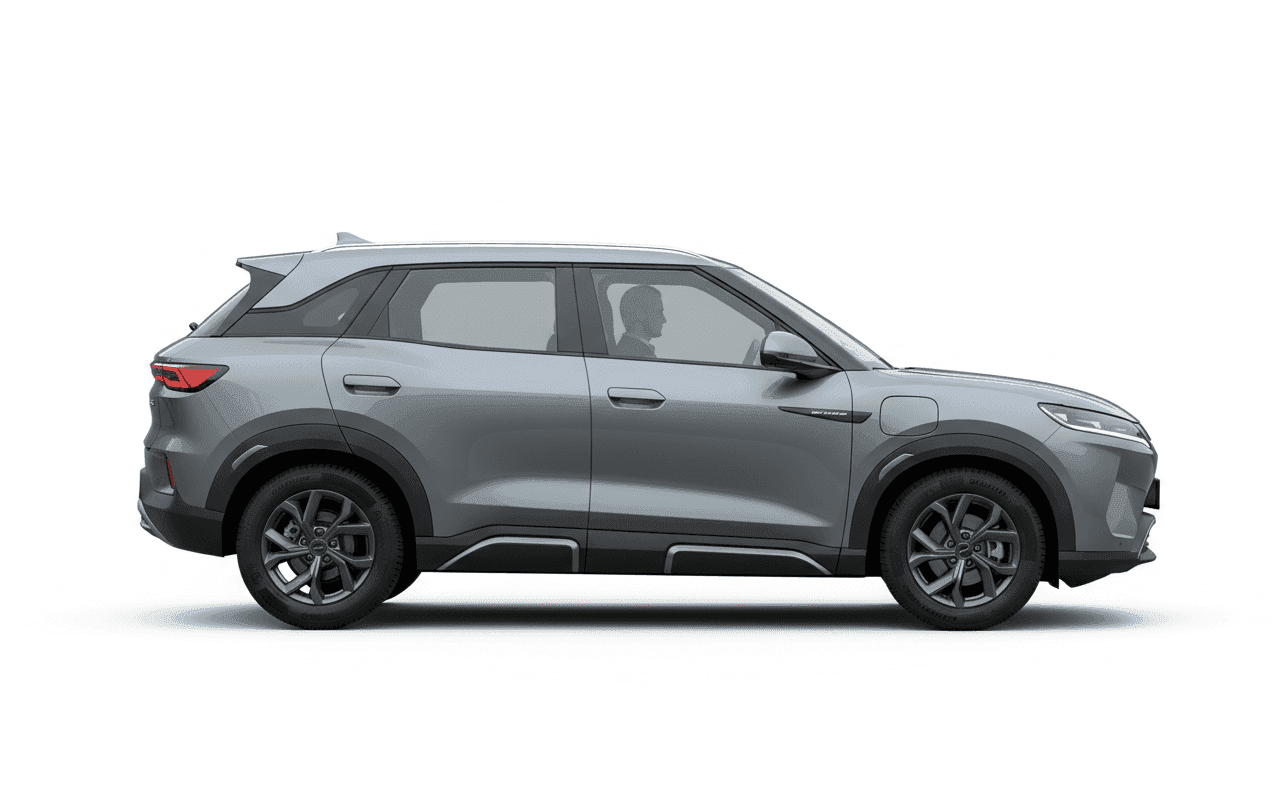
Walk through a car park in Taikoo Shing or Discovery Bay today and you'll notice something different. The badges are changing. Where European and American marques once filled the bays, more and more of the cars charging quietly in the basement wear names that barely existed in Hong Kong five years ago - BYD, Zeekr, XPeng, GAC Aion.
This isn't a hunch. In 2025, for the first time in its history, Hong Kong's best-selling car brand - across every fuel type, not just EVs - was BYD. The German badge in the next bay is no longer the default. It's the exception that's shrinking.
Tesla's town, until it wasn't
For most of the past decade, going electric in Hong Kong meant buying a Tesla or sitting the category out. Tesla arrived in 2010, Elon Musk called the city a "beacon" for EVs, and as recently as mid-2024 the brand still accounted for roughly 47% of all electric private cars on local roads - more than 40,000 vehicles.
Then the ground moved. Transport Department figures show that in the first half of 2025, BYD registered 4,902 new EVs to Tesla's 3,889 - about 27% of the private-EV market. By September it had overtaken Tesla month-on-month, and over the full year it finished first overall with 9,751 cars. Its Sealion 07 SUV was the single best-selling model in the city, at 5,680 units. Chinese brands took four of the top five places. Over the same year, Toyota's sales fell by about 35% and Mercedes-Benz's by more than 60%.
It's no longer a one-brand story, either. Zeekr, XPeng and GAC Aion have all arrived in force, some growing more than 300% in a year. In January 2026 the best-selling model in Hong Kong wasn't a BYD or a Tesla at all - it was the Zeekr 7X. By April, GAC Aion topped the private-car charts. Tesla still posts strong months and briefly retook the monthly lead in February 2026, but it now does so in a crowded field rather than an empty one.
The numbers are not subtle
The backdrop is one of the fastest electric transitions anywhere. In the first nine months of 2025, electric cars made up about 71% of all new private-car registrations in Hong Kong - in some months topping 76%. Of roughly 34,500 new private cars registered in that window, more than 24,500 were electric. Every one of the 20 best-selling models of 2025 was fully electric.
The fleet has grown to match: from around 131,700 EVs on the road in late 2025 to roughly 174,000 - about one in five of all vehicles - by early 2026, served by some 15,500 public charging points. The old worries about range and "where will I plug in?" have quietly slipped into the background.
~71 %, peaking above 76%
EV share of new private cars (first 9 months 2025)
9,751 cars
BYD full-year 2025 EV registrations
BYD Sealion 07 (5,680 units)
Best-selling model 2025
~174,000 (about 1 in 5 vehicles)
EVs on the road by early 2026
~15,500
Public charging points
And they were cheaper - but read the asterisk
Price has done a lot of the work, though the headline figures need reading carefully. When the BYD Atto 2 launched in August 2025 it started at HK$169,800 after tax - or about HK$155,000 for buyers trading in an old car under the One-for-One scheme. But those were subsidised prices. With that scheme gone, the honest figure is the car's retail value plus full First Registration Tax, before any dealer discount - which for the Atto 2 lands at roughly HK$228,000 on the road.
The pattern repeats across the market. On the same retail-plus-full-tax basis - before any dealer discount - Zeekr's 7X (pitched at the Tesla Model Y, and launched from about HK$269,900 under the scheme) comes out around HK$450,000 on the road, with the AWD Platinum well over HK$500,000. Even Tesla's cheapest Model 3, at around HK$249,000 before tax, lands near HK$400,000 once First Registration Tax is added. The eye-catching sub-HK$200,000 stickers belonged to the subsidy era.
None of which means the Chinese brands have stopped being good value - they remain keenly priced against rivals and tend to give you more cabin space and software for the money. BYD didn't win on price alone, either: the draw is the whole package, from the safety reputation of its Blade battery to connected features buyers now treat as standard. But the only fair comparison is on full, after-tax, on-road prices - which is exactly why you should get that complete figure in writing before weighing one car against another.
| Model | Subsidised / pre-tax starting price | On-road (retail + full FRT) |
|---|---|---|
| BYD Atto 2 | ~HK$155,000 (One-for-One) | ~HK$228,000 |
| Zeekr 7X | from ~HK$269,900 (scheme) | ~HK$450,000 entry, AWD Platinum over HK$500,000 |
| Tesla Model 3 RWD | ~HK$249,000 before tax | ~HK$400,000 |
One thing has changed: the tax break is gone
For years the maths was sweetened by government incentives - chiefly the "One-for-One Replacement" scheme, which waived a large slice of First Registration Tax for owners scrapping an old car for a new EV.
That era ended on 31 March 2026. Confirmed in the February 2026 Budget, the One-for-One scheme and the general private-car EV tax waiver were not renewed, so every new private EV now pays full First Registration Tax - the same as a petrol car.
In practice that waiver was worth up to HK$172,500 off a qualifying EV, so its removal has lifted on-road prices sharply - as the Atto 2's jump from about HK$155,000 to roughly HK$228,000 shows. The longer-term direction is unchanged, though: Hong Kong still plans to stop registering new petrol and hybrid private cars by 2035, on the way to carbon neutrality by 2050. If anything, the end of the subsidy is a test the Chinese brands look set to pass on product strength alone.
What it means if you're shopping now
For a buyer, the shift is mostly good news: more choice, sharper pricing, and cars that are genuinely competitive on technology. But a newer badge is worth a few extra questions before you sign:
- How big is the brand's local service and parts network - and will it still be here in five years?
- What does the warranty actually cover, and is battery-health certification offered?
- Because some of these models are too new to have a track record, resale values and insurance premiums are still settling - worth checking rather than assuming they'll mirror a Tesla's.
The change in Hong Kong's car parks isn't really about one brand, or even about electric cars. It's about what people now buy a car for - technology, space and running cost over heritage and badge.
The car your neighbour just bought may not have been made in Germany. And increasingly, the next one won't be either.