As global oil prices surge past $117 per barrel amid ongoing geopolitical tensions, policymakers in the United Kingdom face mounting pressure to balance economic relief for drivers with long-term environmental commitments. The current energy landscape - shaped significantly by the conflict in the Middle East and lingering impacts from Russia's invasion of Ukraine - has intensified debates surrounding fuel duty and electric vehicle taxation, particularly regarding how VAT is applied to public EV charging infrastructure.
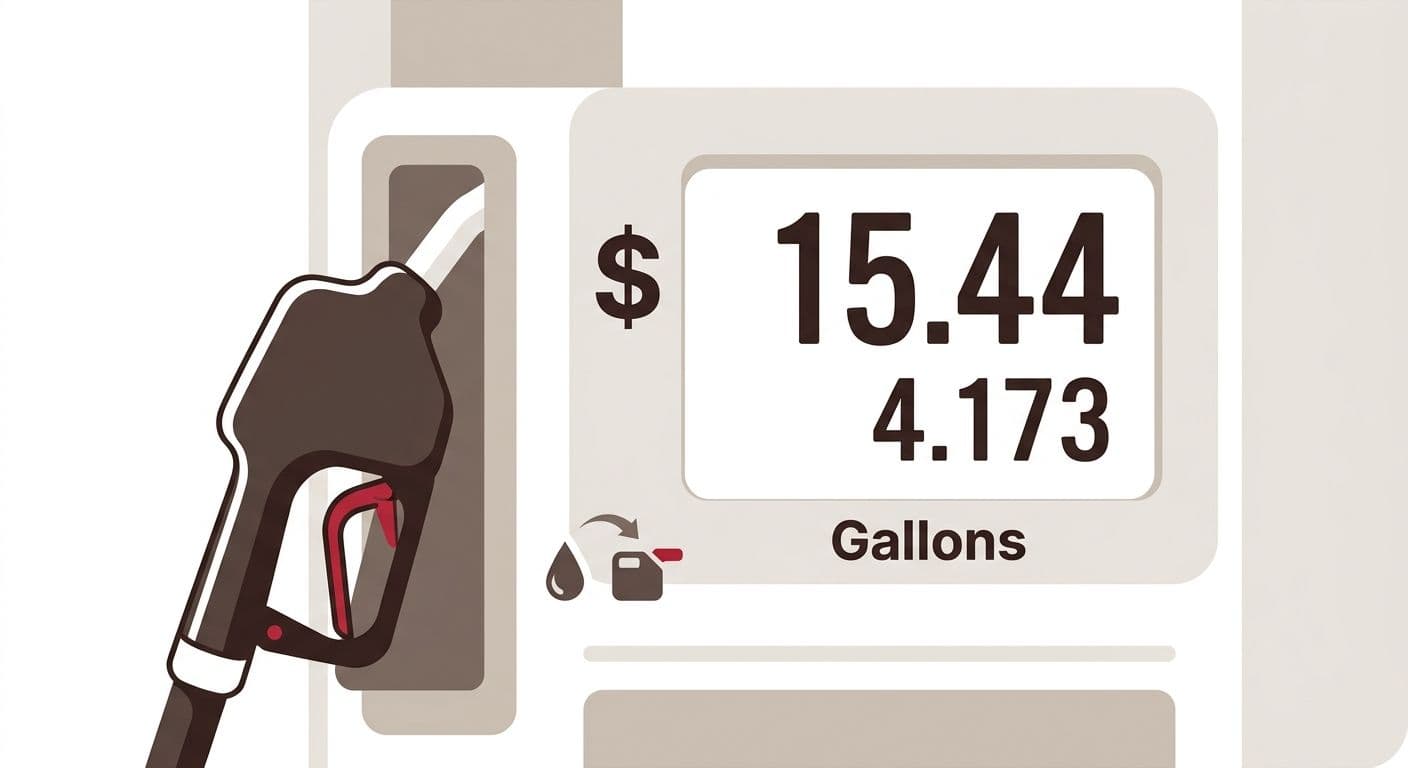
The VAT Gap: Home vs Public Charging
The government currently maintains frozen fuel duty rates originally implemented following Russia's invasion of Ukraine, yet questions persist about equity in the transition toward electric transportation. A central concern involves the disparity between VAT rates for home charging versus public charging stations.
Currently, drivers using public chargers face considerably higher rates than those with private home charging capabilities, creating an uneven financial burden that disproportionately affects individuals without access to driveway or garage installations.
Ginny Buckley, CEO of Electrifying.com, has emerged as a prominent voice advocating for the reduction of VAT on public charging to match home charging rates, arguing that the current system penalises those in apartments or urban areas who cannot install personal charging units.
Accessibility and Fairness in the EV Transition
This taxation gap raises fundamental questions about accessibility and fairness in the UK's shift toward electrification. When EV ownership becomes contingent upon housing status or economic privilege, the transition risks excluding significant portions of the population from participating in cleaner transportation options.
Renters, apartment dwellers, and urban residents - who are statistically less likely to have access to off-street parking - are bearing a disproportionate share of the cost, effectively creating a two-tier system of electric vehicle access.
Equity concern: Drivers relying solely on public charging may pay significantly more in VAT than those able to charge at home, penalising those with fewer housing options and lower incomes.
A Landmark Ruling and Its Implications
Recent developments have brought potential relief. A ruling determined that public charging should indeed attract the same VAT rate as home chargers - a decision that could significantly alter the financial calculus for prospective EV buyers while reducing operational costs for current drivers.
If implemented broadly, this change would represent a meaningful step toward levelling the playing field, making electric vehicle running costs more predictable and equitable regardless of where a driver lives or what type of property they occupy.
Key development: A recent ruling found that public EV charging should attract the same VAT rate as home charging - a potentially transformative shift for the economics of EV ownership in the UK.
Energy Security and EV Policy
The implications extend beyond individual economics to encompass broader energy security concerns. According to Ben Nelmes, CEO of New AutoMotive, escalating energy costs now affect not merely traditional petrol and diesel operators but also the approximately 1.8 million electric vehicle drivers currently navigating UK roads.
This sizable demographic shift transforms EV policy from a niche environmental concern into a mainstream economic issue affecting millions of households. The Middle East conflict has underscored the fragility of global energy markets, highlighting how disruptions in oil-producing regions create cascading effects across all transportation sectors, regardless of fuel type.
Over $117 per barrel
Global oil price
Approximately 1.8 million
UK EV drivers
5 % (reduced rate)
Home charging VAT rate
20 % (standard rate)
Public charging VAT rate
The Path Forward: A Holistic Approach
Addressing these challenges requires more than isolated tax adjustments. Industry experts emphasise the necessity of comprehensive strategies that combine VAT reduction with substantial investment in home charging infrastructure and incentives for businesses to install workplace charging points.
Such a holistic approach would democratise access to electric transportation while simultaneously advancing the nation's greenhouse gas reduction goals. Supporting the EV transition also carries strategic significance beyond environmental benefits - contributing to energy independence and resilience against volatile global oil markets.
As the energy crisis continues evolving, the intersection of tax policy and transportation infrastructure remains critical. Reducing VAT on public chargers represents an immediate mechanism for supporting current EV drivers and encouraging adoption among hesitant consumers. However, sustainable progress demands addressing the underlying infrastructure gaps that currently disadvantage renters, apartment dwellers, and urban residents.
By ensuring that electric vehicle accessibility transcends housing situations and economic status, policymakers can foster a transportation ecosystem that serves environmental imperatives while maintaining social equity. The path forward requires recognising that electric vehicles represent not simply an alternative technology, but a fundamental component of energy security in an increasingly unpredictable global landscape.
A joined-up strategy should include:
- Reducing VAT on public charging to match the 5% home charging rate
- Increased investment in home charging infrastructure for those without off-street parking
- Business incentives to expand workplace charging provision
- Policy frameworks that prioritise equity alongside environmental targets