Xpeng has recalibrated its approach to the P7 sedan, slashing the entry price while restructuring how it packages smart driving technology. The Chinese electric vehicle manufacturer reduced the starting price to 203,800 yuan (approximately $29,650) - a decrease of 16,000 yuan from the previous entry point. This adjustment arrives as the company confronts a steep downturn in P7 sales, with the model plummeting from a peak of 8,110 units in September 2025 to just 681 units in February 2026.
New Pricing and Trim Structure
The revised strategy replaces the previous "Ultra" trim structure with three new "Max" variants, while maintaining the top-end P7 Ultra at 301,800 yuan. Each Max variant now includes one of Xpeng's proprietary Turing AI smart driving chips as standard equipment, but the company has shifted toward a modular approach for advanced capabilities.
- Base Max variant: one Turing AI chip included as standard
- Ultra SE version: upgrade to two chips for an additional 12,000 yuan
- Full Ultra trim: three chips for an extra 20,000 yuan
This configuration transforms smart driving features from standard equipment into an optional revenue stream, allowing customers to select their preferred level of autonomous technology rather than paying for premium capabilities they may not want.
203,800 yuan (~$29,650)
New Starting Price
16,000 yuan vs. previous entry
Price Reduction
301,800 yuan
Top-End P7 Ultra Price
+12,000 yuan (Ultra SE)
Two-Chip Upgrade Cost
+20,000 yuan (Full Ultra)
Three-Chip Upgrade Cost
Expanded Color Options
Beyond pricing adjustments, Xpeng has expanded the P7's aesthetic options to appeal to style-conscious consumers. The addition of red, black, and white exterior choices brings the total available colors to ten - a move clearly designed to attract younger buyers in China's increasingly crowded EV market.
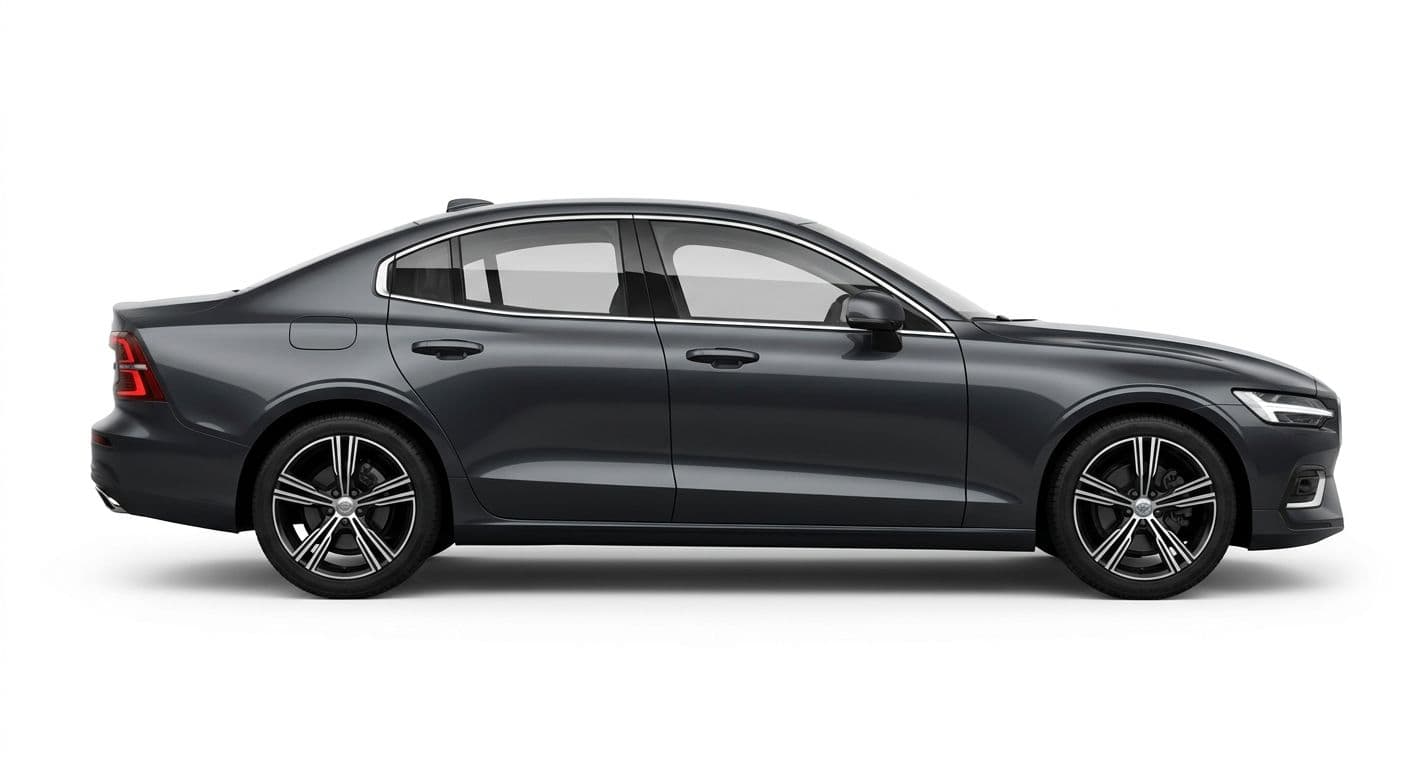
The P7 now offers ten exterior color options following the addition of red, black, and white - part of Xpeng's push to appeal to younger, design-focused EV buyers.
Sales Performance and Context
The cosmetic enhancements arrive against a backdrop of concerning sales performance that extends beyond the P7 alone. In February 2026, Xpeng delivered 15,256 vehicles across its entire lineup - representing a 49.9% decline compared to the previous year and a 23.76% drop from the prior month.
| Period | P7 Units Sold | Total Xpeng Deliveries |
|---|---|---|
| September 2025 | 8,110 | - |
| February 2026 | 681 | 15,256 |
The P7 dropped from a peak of 8,110 units in September 2025 to just 681 units in February 2026 - a decline of over 90% in just five months.
2026 Targets and Financial Pressure
The timing of these changes proves critical as Xpeng prepares to report its fourth-quarter 2025 financial results on March 20, with analysts particularly focused on whether the company achieved quarterly profitability. The pressure intensifies given Xpeng's ambitious 2026 delivery target of 550,000 to 600,000 vehicles - a goal that would require a dramatic reversal of current sales momentum.
The pricing reduction and flexible chip strategy appear designed to lower barriers to entry while maintaining revenue potential through upgrade options, effectively casting a wider net for potential customers without entirely sacrificing margins on higher-tier configurations.
Xpeng reports its Q4 2025 financial results on March 20. Analysts will be watching closely for signs of profitability and any guidance on how the revised P7 strategy is performing.
What This Means for Buyers
For consumers evaluating the revised P7 lineup, the changes present both opportunity and uncertainty. The lower entry price makes the vehicle more accessible, and the tiered chip system offers genuine flexibility in customizing smart driving capabilities to match individual needs and budgets.
However, the dramatic sales decline - from over 8,000 units to under 700 in just five months - raises legitimate questions about the model's long-term market appeal and potential resale value. Prospective buyers should keep the following in mind:
- The base Max variant includes only a single Turing AI chip - significant autonomous driving capabilities require additional investment.
- Upgrading to two or three chips adds 12,000 to 20,000 yuan on top of the purchase price.
- Sharp sales declines can affect resale value and long-term parts and software support.
- Carefully examine which hardware and software features come standard at each price point before committing.
Whether this represents a smart strategic pivot toward democratizing EV technology or a reactive measure to stem bleeding market share will likely become clearer when Xpeng reports its quarterly financial performance and demonstrates whether these adjustments can reignite consumer interest in the struggling sedan.
What is the new starting price of the Xpeng P7?+
The Xpeng P7 now starts at 203,800 yuan (approximately $29,650), a reduction of 16,000 yuan from the previous entry price.
What is the Turing AI chip upgrade system?+
Each new Max variant includes one Turing AI chip as standard. Buyers can upgrade to two chips (Ultra SE) for an additional 12,000 yuan, or to three chips (Full Ultra) for an extra 20,000 yuan, unlocking more advanced autonomous driving capabilities.
How many colors does the Xpeng P7 now come in?+
The P7 is now available in ten exterior colors following the addition of red, black, and white options.
What are Xpeng's delivery targets for 2026?+
Xpeng has set a 2026 delivery target of 550,000 to 600,000 vehicles - a significant increase that would require a major turnaround from current sales trends.