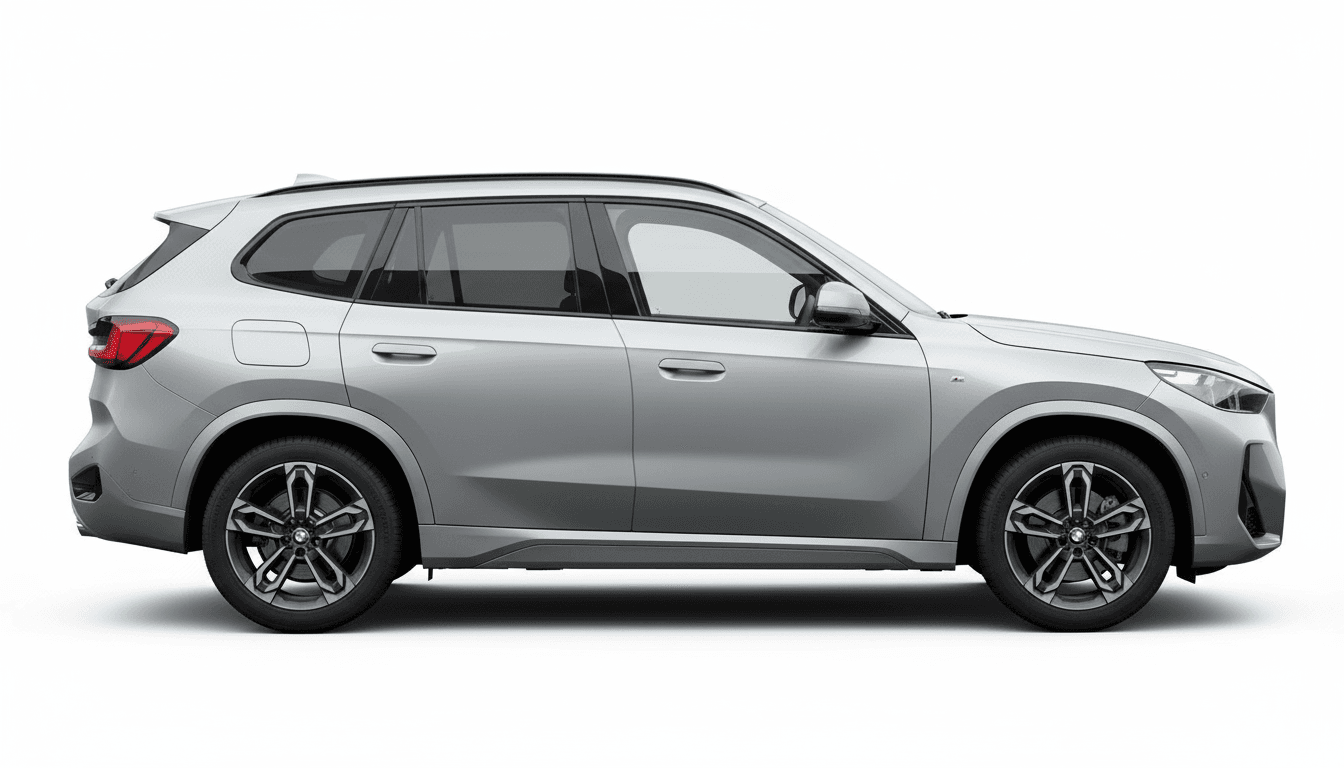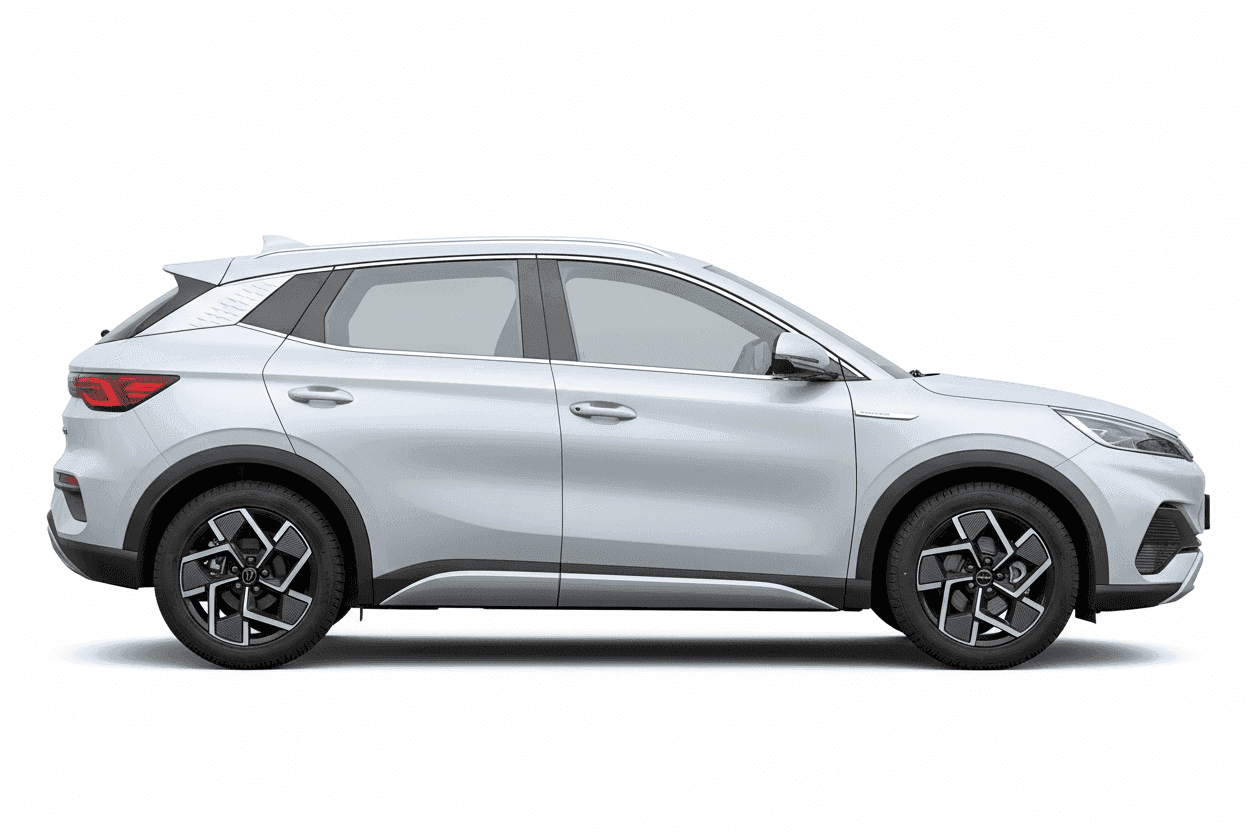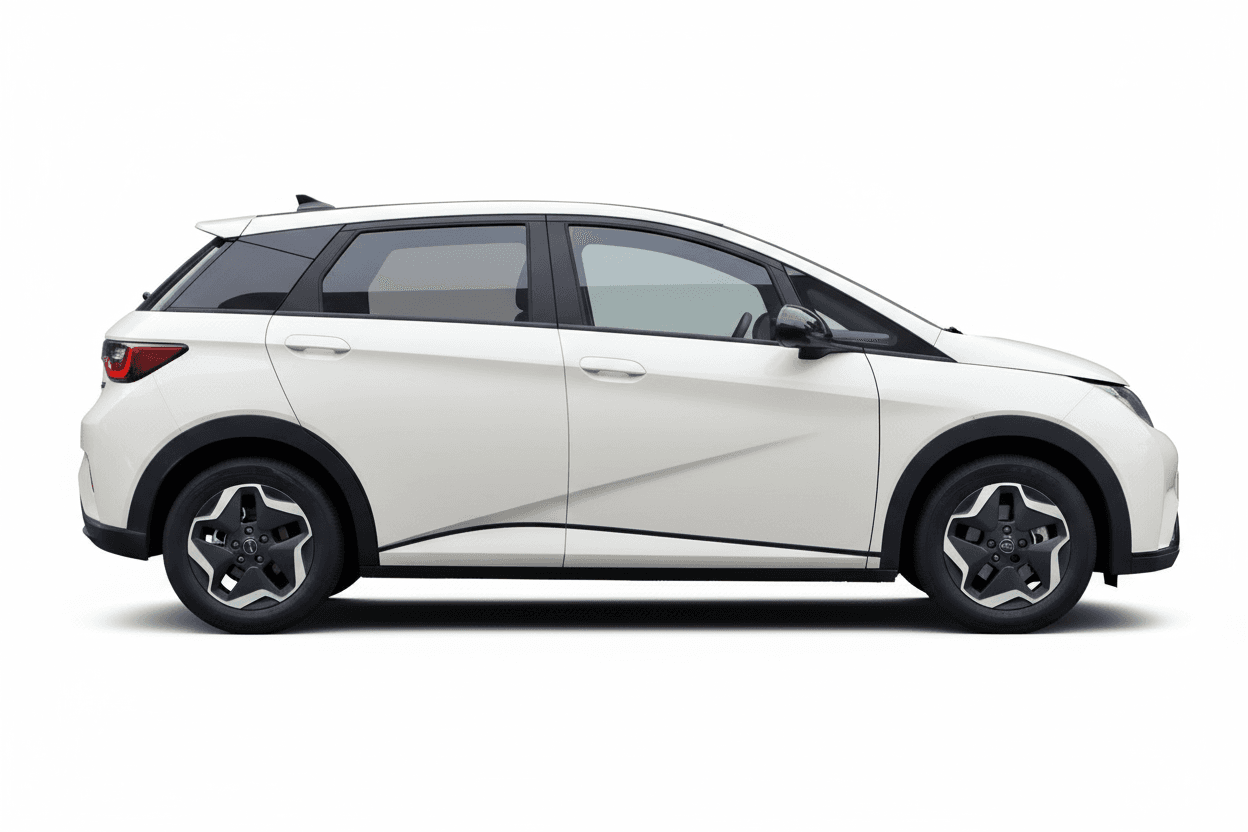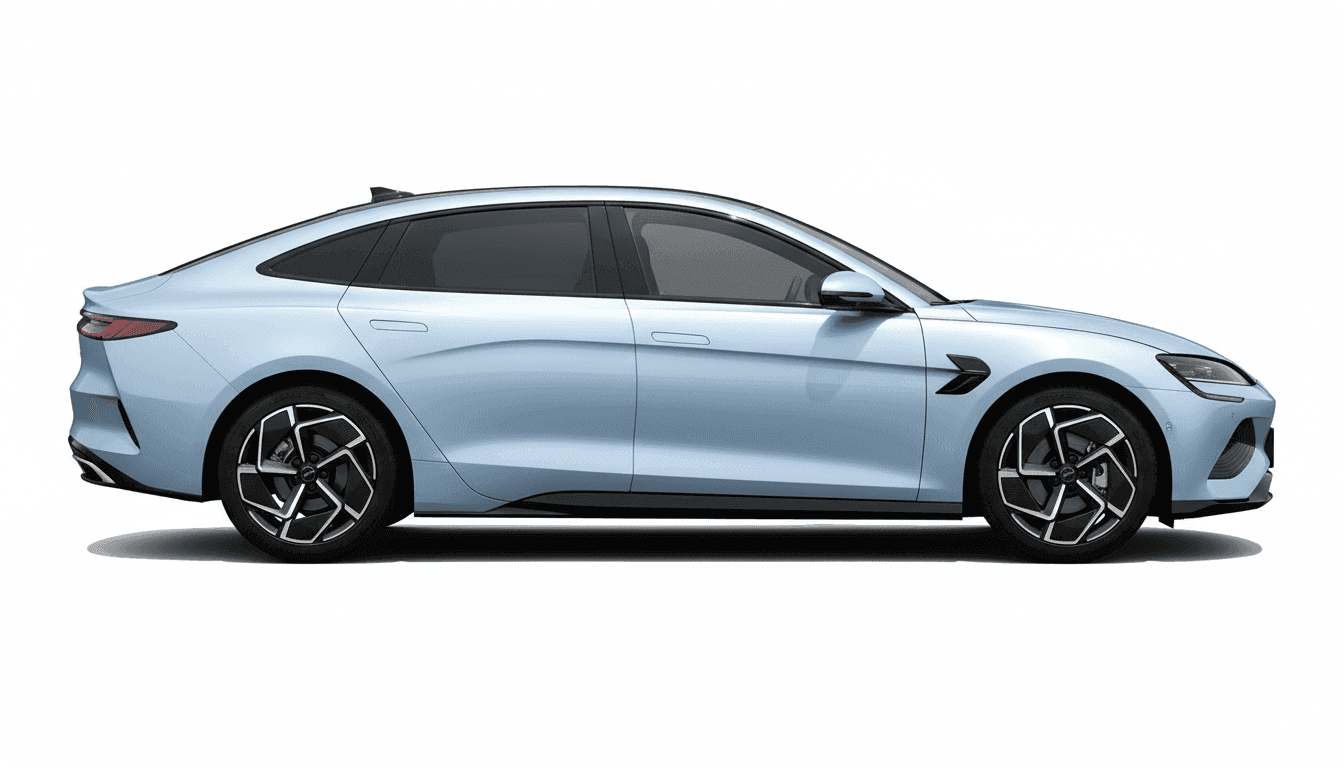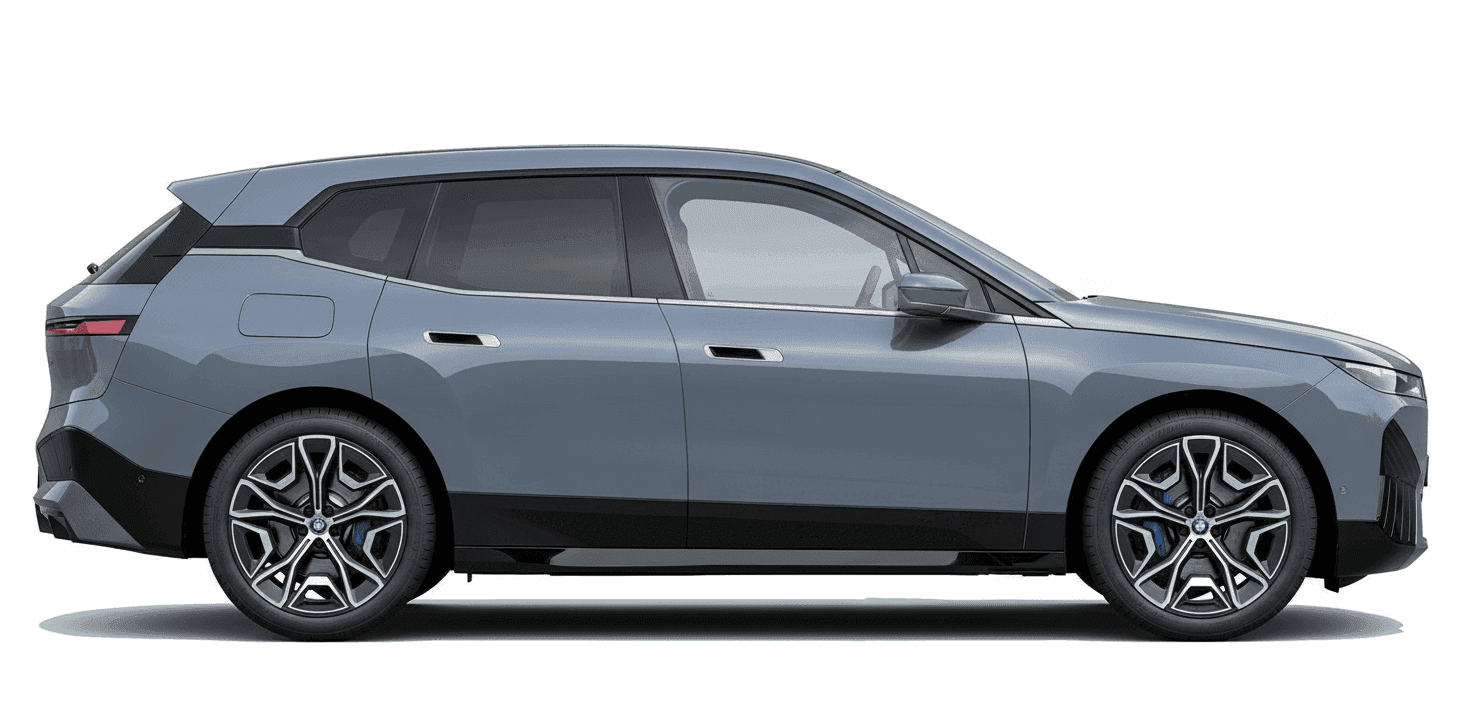
You've looked at the brochure, 'das Auto' is 'perfection, personified.' You've seen how far the vehicle can (theoretically) travel on a single charge, and you may have been in awe of its racing-car-like acceleration.
However, in Hong Kong, these measures are pretty irrelevant.
Most of the reviews you read will have been aimed at an audience living in temperate or Mediterranean latitudes far different from our subtropical city, with typhoons, cheek-by-jowl apartment blocks, car parks with low ceilings and tight turns, and roads that were never designed for big cars.
In the article below we have put together 12 things we suggest you check before you walk into a showroom - the stuff that actually affects day-to-day driving in Hong Kong. And we've explained every bit of jargon in plain language as best we can.
Every abbreviation in this guide is explained as it appears.
There's also a full glossary at the end. If you see something you don't recognise, flip to the back.
The Everyday Essentials
Four things that affect every HK driver, every single day.
01 · Hot-Weather Range (WLTP)
What you'll actually see on the dashboard in August.
Your real-world range
Why it matters
Large SUV owners
Who it hits hardest
10 -20% less
Typical gap vs brochure
Every EV sold in Hong Kong has a range figure on the brochure. That number is real - but it was measured in conditions that don't exist here.
What is WLTP - and why should you ignore it?
WLTP (Worldwide Harmonised Light Vehicle Test Procedure) is the official European test for EV range. The car sits in a laboratory at 23°C with the air-conditioning switched off and drives a set pattern of city and motorway speeds.
That's fine for Munich. Hong Kong in July is 31°C with near-100% humidity, and your air-con is panting vigorously from the moment you start the car.
The WLTP test doesn't account for any of that. So the range on the brochure was measured in conditions that simply don't exist here.
electacar insight: The brochure range is a starting point, not a promise. Always take at least 10% off before comparing two cars.
02 · Air-Con Energy Draw (kW)
The passenger who's always in the car and never pays for petrol.
1 -3 kW
Typical A/C power draw
~25 -40 km
Range lost per hour
April - October+
A/C season in HK
In the UK, air-con is optional. In Hong Kong, it runs from April to October without a day off. That constant draw comes straight out of your battery - and it's the single biggest reason your real-world range is lower than the brochure.
What is a kW (kilowatt)?
A kilowatt measures how fast energy is being used. Your kettle uses about 2-3 kW. So does a mid-size EV's air-conditioning compressor. Every hour it runs, it uses that much power - power that would otherwise be moving you forward. For most cars in Hong Kong, that works out to 20-40 km of lost range per hour, just from keeping the cabin cool.
electacar insight: Two cars with the same WLTP range can behave very differently in summer - purely because of air-con efficiency. It's one of the least discussed differences between models.
03 · Battery Thermal Management
How the car stops your battery cooking itself.
Liquid cooling
Best option for HK
Passive (older/used cars)
Avoid in HK heat
Battery life and resale value
Why it matters
Batteries are a bit like English Sheepdogs - they don't like heat. The hotter they run, the faster they age and lose capacity. In Hong Kong, where your battery is warm year-round, how well the car manages that heat makes a real difference to how long the battery stays healthy.
Thermal management - what it means in plain English
Think of it like the cooling system in your laptop. When the battery gets hot, something needs to remove that heat.
- Liquid cooling (the best): Coolant fluid circulates around the battery cells to actively draw heat away. Same idea as a car radiator. Works well even in persistent 35°C heat.
- Air cooling (acceptable): Fans blow air over the battery pack. Simpler and cheaper, but less effective when the outside air is already hot.
- Passive cooling (avoid): Nothing. The battery just runs at whatever temperature it runs at. Fine in mild climates. Not ideal here.
Which cooling system do Hong Kong's EVs use?
Liquid cooling (look for this): Used by almost every EV sold new in Hong Kong today - Tesla Model 3 and Model Y, BYD's Blade-battery models (Atto 3, Dolphin, Seal, Sealion), XPeng G6 and G9, GAC Aion Y Plus and V, Toyota bZ4X and its Lexus RZ twin, MAXUS MIFA 9, ORA 03, BMW iX1 (and other BMW EVs), and Mercedes EQB. If you are buying new, you are almost certainly getting liquid cooling.
Air or passive cooling (mostly older, used cars): The classic example is the Nissan Leaf - every version up to 2024 used a passively air-cooled pack with no liquid cooling. That is why used Leafs are known for faster battery fade and "Rapidgate" charging slow-downs in the heat. Early Kia Soul EVs were similar.
The key update for buyers: Even Nissan has now moved on - the all-new third-generation Leaf (from 2026) finally switches to a liquid-cooled battery. So a brand-new Leaf is liquid-cooled, but an older used one is not. With cooling, the generation can matter as much as the badge - always check which one you are looking at.
electacar insight: After five years of Hong Kong use, a well-cooled battery might retain 90% of its original capacity. A poorly managed one might be down to 78%. That gap shows up directly in the resale price.
04 · Urban Efficiency & Regenerative Braking (Wh/km)
Where EVs have their biggest advantage - and HK is perfect for it.
Wh/km (lower = better)
How it's measured
Under 155 Wh/km
Good target for HK
Stop-start city traffic
HK's best driving environment
Hong Kong traffic is constant stopping and starting - lights, crossings, tunnel queues, minibuses pulling out, pedestrians stepping out between parked cars and looking the other way. For an EV, these conditions are actually ideal. Every time you lift your feet off the accelerator, the car recovers energy and puts it back in the battery. In contrast, petrol cars just waste that energy as heat.
What is Wh/km?
Wh/km stands for watt-hours per kilometre. It measures how much electricity the car uses to go one kilometre. This is like the measure of litres per 100 km for a petrol car, but in reverse. Lower is better.
A car using 140 Wh/km versus one using 180 Wh/km might sound like a small difference. But on the same 60 kWh battery:
- the efficient car travels 428 km, and
- the less efficient one travels 333 km.
Same battery. Same city. 95 km difference.
This is called regenerative braking - the EV's ability to recover energy when slowing down. The more stop-start your driving, the more it helps. Nathan Road at rush hour is about as good as it gets for this.
electacar insight: Urban efficiency matters more in Hong Kong than highway range. Most trips here are short and stop-start, which is exactly where a well-tuned EV excels. Many Chinese EVs built for Asian cities do particularly well here - they're tuned for exactly this kind of driving.
Charging & City Living
Four things that matter because most HK drivers can't charge at home.
Most EV guides assume you can plug in overnight. In Hong Kong, that's often not possible. If you live in an apartment block - and most people here do - getting approval to install a home charger can take months and sometimes doesn't happen at all. These are the four things that matter most when the public charging network is your primary option.
05 · Fast-Charge Speed
If you can't charge at home, this might be your most important number.
km added per minute
How it's measured
10 km/min
Minimum worth aiming for
14 -18 km/min
Best current models
Fast-charge speed is how quickly the car adds range at a public fast charger. Think of it like a petrol pump - some fill quickly, some don't. A car that adds 8 km per minute needs over 20 minutes to recover 160 km of range. One that adds 16 km per minute does the same in 10 minutes. That's the difference between a coffee stop and an inconvenient wait.
Fast charging vs normal charging - what's the difference?
There are two types of EV charging.
AC charging (slow): This is what a home charger or a mall destination charger uses. Typically adds 20-40 km per hour. Great for overnight charging. Too slow if you need range now.
DC fast charging: A much more powerful connection that pushes energy directly into the battery. Typically adds 150-600+ km per hour. This is what the dedicated fast-charger stations use - the ones with the thick cables. The km-per-minute figure is a DC fast-charge number.
If you can't charge at home, fast-charge speed belongs in your top three buying criteria. Not top ten. Top three.
electacar insight: Check what type of chargers are in your usual car parks - AC or DC. If it's DC, fast-charge speed matters a lot. If it's AC only, you'll want to find nearby DC options too.
06 · Public Charger Compatibility
Hong Kong has four different plug types - does your car fit them?
CCS2 · GB/T · CHAdeMO · Type 2
Plug types in HK
CCS2 + GB/T
Best coverage
CHAdeMO
Fading out
You wouldn't put diesel in a petrol car. The same issue applies to EV charging - Hong Kong uses four different connector types, and not every car works with every charger. If the chargers in your building use one standard and your car uses another, you have a problem you'll face every week.
HK's four plug types, explained simply
Type 2 - the slow charger: A thin 7-pin plug. Used for home charging and destination chargers in malls. Almost every EV supports this. Fine for overnight, too slow for topping up quickly.
CCS2 - European fast charging: The fast-charge plug on BMW, Hyundai, Kia, Volkswagen, and most non-Chinese brands. Widely installed at newer HK charging sites.
GB/T - Chinese fast charging: The fast-charge plug on BYD, Leapmotor, AVATR, and other mainland brands. Growing rapidly in new HK installations.
CHAdeMO - Japanese fast charging: Used by older Nissan and Mitsubishi models. Less common in new sites, and the network isn't expanding as fast as the others.
What about adaptors? Mostly, no. AC charging is near-universal (Type 2), so adaptors are rarely needed there. But you cannot reliably adapt between the DC fast-charge standards - there is no simple, dependable consumer adaptor to make, say, a CHAdeMO car charge at a CCS2 station. Treat your car's built-in DC plug as fixed: pick the charger whose cable already matches it, rather than counting on an adaptor to bridge the gap.
Practical tip: Before you visit a showroom, check which plug type is installed in your home building car park, your work car park, and your most-used shopping centre. Then make sure the car you're considering matches.
electacar insight: Plug compatibility is more important than peak charging speed if the fastest chargers aren't in the places you actually park. Check first.
07 · Vehicle Height vs Car Park Clearance
Some cars simply won't fit where you park - check before you buy.
1.8 -2.0 m
Common HK car park limit
Under 1.7 m
Safe for most HK car parks
Over 1.75 m
Worth checking carefully
This doesn't appear in any European car review because it isn't a problem in Europe. In Hong Kong, it's one of the most practical numbers on the spec sheet. Multi-storey car parks in this city - in residential estates, malls, and offices - often have height restrictions of 1.8 to 2.0 metres. Plenty of popular EV SUVs are tall enough to be flatly excluded from a meaningful portion of the city's parking.
How to check this before it becomes a problem
The vehicle height is listed on every spec sheet, usually near the bottom under 'Dimensions'. It's given in millimetres - so 1,800 mm = 1.8 metres.
Before you visit a showroom, write down the height limit of: your home car park, your work car park, and the two malls you go to most. Then compare. It takes five minutes and stops you buying a car you can't park anywhere useful.
electacar insight: If the car is over 1.75 m tall, go and physically look at the sign on the ramp of your most-used car parks. Don't rely on memory - this catches buyers out more than almost anything else.
08 · Body Length & Turning Circle
Compact is an advantage here, not a compromise.
Under 4.6 m long
Comfortable in HK
Under 11 m
Good turning circle
Over 4.8 m long
Gets difficult
Hong Kong streets weren't built for modern car dimensions. In parts of Kowloon and the New Territories, you need to stop and let the other car pass. Multi-storey car park ramps often require tight U-turns. A long car makes all of this noticeably harder, every day.
What is a turning circle?
It's the diameter of the smallest U-turn the car can make with the steering wheel at full lock. Smaller is easier.
A turning circle of 10.5 m means the car needs 10.5 m of clear space for a full U-turn. In a narrow Mong Kok side street or a tight car park ramp, that's the difference between a clean three-point turn and an embarrassing five-point struggle.
Chinese EVs built for dense Asian cities often do well here - they're designed for exactly this kind of environment.
electacar insight: Body length and turning circle are on every spec sheet. They're not glamorous, but they affect daily quality of life in Hong Kong more than a car's 0-100 km/h sprint time ever will.
The Ones Nobody Mentions
Four things that almost never appear in reviews - but matter here. That's because most reviews are written in Britain or Germany, where there are no typhoons, most people have a garage, and government car tax is a footnote rather than a major purchase consideration. In Hong Kong, all four can seriously affect your decision.
09 · Flood Resilience (IP - Ingress Protection)
Signal 8 happens every year - is the car ready for it?
IP67 or higher
What to look for
Sealed to 1 m depth
What IP67 means
Signal 8 and above
When it matters
Hong Kong gets some of the heaviest rainfall in Asia. Signal 8 typhoons bring flash flooding in low-lying streets - surface water deep enough to reach wheel arches. This is not a once-a-decade event. It happens most years. The question is whether your car's electrical components are properly sealed when it does.
What is an IP rating?
IP stands for Ingress Protection. It's a standard measure of how well a component is sealed against water (and dust). You'll see it written as two digits - IP67, IP68, and so on. The first digit covers dust protection, the second covers water.
| First Digit | Protection Level | Simple Meaning |
|---|---|---|
| 0 | No protection | Dust and objects can enter freely |
| 1 | >50 mm | Protected from large objects like a hand |
| 2 | >12.5 mm | Protected from fingers |
| 3 | >2.5 mm | Protected from tools or thick wires |
| 4 | >1 mm | Protected from small wires or screws |
| 5 | Dust protected | Some dust may enter, but not enough to harm the device |
| 6 | Dust tight | No dust can enter at all |
The second digit is the water rating. 7 means the component survives being temporarily submerged to 1 metre. 8 means it can handle deeper or longer submersion.
For an EV's battery and motors, IP67 or above means the electrical heart of the car is properly protected in typical road-flooding conditions. Lower ratings mean more risk.
One important note: the IP rating covers the components, not the whole car. A car with an IP67 battery can still have water enter the cabin - the rating just protects the electrics underneath.
What ratings do real cars have?
Good news first: IP67 is effectively the industry floor. Almost every EV sold new in Hong Kong - Tesla, BYD, Hyundai, Kia, BMW, Mercedes and the mainstream Chinese brands - already seals its battery pack to at least IP67 (dust-tight, and safe through brief immersion to about a metre). So the "IP67 or higher" target above is one essentially every new EV clears.
A few make more of it. BYD's structural Blade battery - used across the Atto 3, Dolphin, Seal and Sealion - is built for extreme abuse and famous for demos like surviving a nail driven through it and a 46-tonne truck driven over it. Some packs are also rated IP68 for deeper or longer immersion (for example certain CATL-built packs). Note those BYD headline tests are about fire and crash safety, not a published water-depth figure.
The honest caveat: carmakers rarely publish a clean, comparable IP number for each model, and much of what circulates online is marketing. So treat IP67 as the floor nearly everything meets, and judge real flood-readiness on behaviour rather than a digit - don't drive into standing water of unknown depth, watch your ground clearance, and after any flood exposure get the car inspected. As above, the rating protects the pack, not the cabin.
electacar insight: Parts of Tai Po, Yuen Long, and Sham Shui Po flood regularly during black rainstorm conditions. If you drive or park in those areas, IP rating is not a theoretical concern.
10 · Battery Chemistry (LFP vs NMC)
Two types of battery, two different strengths - one suits HK better.
LFP
Best if you can't charge at home
NMC or LFP
Best if you have a home charger
Ask the dealer
How to find out
Not all EV batteries are built the same way. There are two main chemistry types in use right now, and they behave differently in Hong Kong's conditions. The difference matters - especially if you're relying on public charging.
LFP vs NMC - what they actually mean
LFP (Lithium Iron Phosphate): Used in most BYD cars and many other Chinese EVs. Handles heat well. Survives lots of charge cycles. Safe to charge to 100% every time without degrading quickly. Slightly heavier, so you'll see it more often in cars where range-per-kg isn't critical.
NMC (Nickel Manganese Cobalt): Used in most European and premium EVs - Tesla, BMW, Hyundai. Packs more energy into less weight, which is why range-focused cars use it. Best not to charge to 100% regularly, and it degrades a bit faster with frequent fast charging.
Why does this matter for Hong Kong? If you're relying on public fast chargers - charging to full, frequently - LFP handles that better over the long term. If you can charge slowly at home overnight, the gap is smaller.
electacar insight: Ask any dealer a simple question: is this LFP or NMC? Every salesperson should be able to answer immediately.
11 · Battery Life Over Time
The five-year question that shows up in your resale price.
90 %+ capacity
Good after 5 years
Under 80%
Poor after 5 years
HK$30,000-$50,000+
Difference in resale value
Every battery gradually loses capacity. It's normal - like a phone that holds less charge after a few years. But how fast it happens depends on the climate, how the car was charged, and how well the battery was managed. In Hong Kong's heat, poorly managed batteries age noticeably faster.
What does capacity loss actually look like?
When the battery is new, a full charge gives you the full rated range - say 400 km. After five years, that same full charge might give you 360 km (90% retention) or 310 km (78% retention). The battery hasn't broken. It's just aged.
In Hong Kong's second-hand market, buyers check battery health. A five-year-old car with 92% battery capacity is worth noticeably more than one with 79%. The price gap can easily reach HK$30,000-50,000.
What affects it? Good thermal management (No. 03 above), LFP chemistry (No. 10 above), and not regularly fast-charging to 100% and leaving the car in a hot outdoor car park. Cars that have been looked after age much more slowly. This is where cooling type (No. 03) shows up most: a liquid-cooled car typically holds its capacity far better than an older air- or passive-cooled one - which is exactly why a used Nissan Leaf (air-cooled until the 2026 model) is the car to check most carefully here.
electacar insight: If a car has been on sale in Asia for three or more years, search for owner battery health reports from Singapore or Taiwan before you buy. Their community forums have years of real degradation data.
12 · The Real Price After Tax
The showroom price is not what you pay.
First Registration Tax (FRT)
Tax type
40 -80%+
Typical rate on mid-range cars
Everyone - EVs included
Who pays it
The price in the showroom window is not the price you pay. Every new car in Hong Kong - electric or not - attracts a government tax called the First Registration Tax. It's applied as a percentage of the car's value before tax. For mid-range cars, that typically adds 40-80% on top.
What is FRT and how does it work?
First Registration Tax is a one-time tax paid to the government when a car is first registered in Hong Kong. It's calculated as a percentage of the car's pre-tax value - roughly its wholesale price before it's marked up.
On a car worth HK$200,000 before tax, FRT adds about HK$112,000, taking the on-road price to roughly HK$312,000. The more expensive the car, the higher the percentage - the tax scale goes up in tiers.
Electric cars pay full FRT, the same as any petrol car. Always ask for the complete on-road price - including FRT and all registration fees - in writing before comparing it to another car.
| Slice of the car's pre-tax value | Tax rate | Tax on this slice |
|---|---|---|
| First HK$150,000 | 46% | up to HK$69,000 |
| Next HK$150,000 (up to HK$300,000) | 86% | up to HK$129,000 |
| Next HK$200,000 (up to HK$500,000) | 115% | up to HK$230,000 |
| Anything above HK$500,000 | 132% | no cap |
Worked examples
Because the rate climbs in tiers, the effective tax depends on the price.
Example 1 - a mid-range car, pre-tax value HK$250,000:
- First HK$150,000 × 46% = HK$69,000
- Next HK$100,000 × 86% = HK$86,000
FRT = HK$155,000, so the on-road price is HK$405,000 - an effective tax of 62%.
Example 2 - a premium car, pre-tax value HK$600,000:
- First HK$150,000 × 46% = HK$69,000
- Next HK$150,000 × 86% = HK$129,000
- Next HK$200,000 × 115% = HK$230,000
- Final HK$100,000 × 132% = HK$132,000
FRT = HK$560,000, so the on-road price is HK$1,160,000 - an effective tax of 93%.
The pattern: HK$150k pre-tax → 46% effective; HK$250k → 62%; HK$350k → about 73%; HK$500k → about 86%; above that it climbs toward 132%. The headline "up to 132%" only bites on the slice above HK$500,000, which is why a HK$250k car pays well under it.
Since 1 April 2026 this applies to electric cars too - the EV first-registration-tax waiver has ended, so an EV and a petrol car of the same pre-tax value now pay exactly the same FRT.
electacar insight: Two cars both priced at HK$320,000 in the showroom can have very different amounts of tax baked in. The only number that matters is the complete on-road price. Get it in writing.
All 12 at a Glance
12 things · Hong Kong-specific · From most to least widely applicable.
| # | What to look at | Why it matters in HK | In plain English |
|---|---|---|---|
| 01 | Hot-Weather Range | AC runs all year - you'll get less range than the sticker says | How far the car actually goes in Hong Kong heat, with the air-con on |
| 02 | Air-Con Energy Draw | The biggest battery drain in a subtropical city | How much power the cooling system uses every hour |
| 03 | Battery Thermal Management | Heat degrades batteries faster - cooling protects your investment | How the car keeps its battery from overheating |
| 04 | Urban Efficiency | HK stop-start traffic is where EVs shine most | How far you travel per unit of electricity in city driving |
| 05 | Fast-Charge Speed | Most HK residents can't charge at home | How many kilometres of range the car recovers per minute at a fast charger |
| 06 | Public Charger Compatibility | HK has four different plug types - not every EV fits every charger | Which public charging plugs the car can physically connect to |
| 07 | Vehicle Height | Many HK car parks have low ceilings - tall SUVs are simply excluded | The car's roof height, compared to your car park's height restriction |
| 08 | Body Length & Turning Circle | Narrow HK streets punish long cars daily | How long the car is, and how tight a U-turn it can make |
| 09 | Typhoon & Flood Resilience | Signal 10 storms bring flash flooding every year | How well the electrical components are sealed against water |
| 10 | Battery Chemistry | LFP handles heat and frequent charging better | The type of chemistry inside the battery cells |
| 11 | Long-Term Capacity Retention | Affects resale value by HK$30,000-$50,000 after 5 years | How much usable range the car retains after years of use in the heat |
| 12 | Net Price After FRT | FRT adds 40-80%+ to a car's pre-tax value - the listed price rarely tells the full story | What you actually pay once First Registration Tax is added to the car's pre-tax price |
So What Do You Do With This?
Pick any car you're seriously considering and run it through these 12 questions. You'll end up with a very different shortlist than you might otherwise - and a much better sense of what life with that car actually looks like in this city.
None of this is complicated once the jargon is out of the way. WLTP is just a European lab test. kWh is just the size of the tank. LFP and NMC are just two types of battery. Once you know what the words mean, the decisions get a lot easier!
At ElectaCar.com
We publish real-world range tests in Hong Kong conditions, car park height guides, FRT cost calculators, and charger maps - all built for how people actually use cars here.
Bookmark us. We'll be here when you're ready.
Jargon Glossary
Every abbreviation in this guide, explained in plain English.
- 0-100 km/h time: How many seconds the car takes to go from stopped to 100 km/h. It tells you how fast the car accelerates. In Hong Kong traffic, where you rarely get out of second gear, it's almost never relevant to real-world driving.
- AC charging: Slow charging - the kind used at home or at mall destination chargers. Typically adds 20-40 km of range per hour. Good for overnight top-ups. Too slow if you need range in a hurry.
- Battery chemistry: The type of chemical technology in the battery cells. The two most common are LFP and NMC. They behave differently in heat and with frequent fast charging.
- CCS2: The fast-charge plug used by most European and Korean EVs - BMW, Hyundai, Kia, Volkswagen. Common in newer Hong Kong charging installations.
- CHAdeMO: An older fast-charge plug used by some Nissan and Mitsubishi models. Less common in new Hong Kong charging sites.
- DC fast charging: High-speed charging that pushes energy directly into the battery. Adds 150-600+ km per hour depending on the car and charger. The type at dedicated EV charging stations with thick cables.
- FRT (First Registration Tax): Hong Kong's one-time tax when a new car is registered. Applied as a percentage of the car's pre-tax value - typically adding 40-80%+ on mid-range cars. Electric vehicles pay the same as petrol cars.
- GB/T: China's fast-charge plug standard. Used by BYD, Leapmotor, AVATR, and most other Chinese EVs. Growing rapidly in new Hong Kong charging installations.
- IP rating (IP67, IP68): Ingress Protection - how well a component is sealed against water. IP67 means it survives temporary immersion to 1 metre. IP68 means deeper or longer immersion. Look for this on the battery pack.
- kW (kilowatt): A unit of power - how fast energy is being used or produced. Your kettle uses 2-3 kW. An EV's air-con uses about 1-3 kW depending on the size of the cabin.
- kWh (kilowatt-hour): A unit of energy - how much is stored in total. Think of it as the fuel tank size. A 60 kWh battery holds 60 kilowatt-hours of energy.
- LFP battery: Lithium Iron Phosphate. Handles heat well, tolerates frequent fast charging, and can be safely charged to 100% regularly. Common in BYD and other Chinese-brand EVs.
- NMC battery: Nickel Manganese Cobalt. Packs more energy into less weight than LFP, which is why it's used in range-focused EVs. Best to avoid charging to 100% routinely, and it degrades a little faster with heavy fast charging.
- Regenerative braking: When you slow down or lift off the accelerator, the EV uses its motor as a generator to recover energy back into the battery. This is why EVs are more efficient in stop-start city traffic than petrol cars.
- Thermal management: The system that keeps the battery at a safe temperature. Liquid cooling (coolant fluid circulating through the battery) is the best option. Passive air cooling, with no active system, is the weakest. Almost every EV sold new in Hong Kong now uses liquid cooling - passive air cooling is mainly a trait of older used cars such as pre-2026 Nissan Leafs.
- Turning circle: The diameter of the smallest U-turn the car can make at full steering lock. Smaller = easier to manoeuvre in tight Hong Kong streets and car park ramps.
- Type 2: The standard slow-charge plug for EVs in Hong Kong. Used for home charging and destination chargers. Almost every EV supports it.
- Wh/km: Watt-hours per kilometre. Measures how much electricity the car uses to travel one kilometre. Lower is better - like fewer litres per 100 km in a petrol car.
- WLTP: Worldwide Harmonised Light Vehicle Test Procedure. The European lab test used to measure EV range. Done at 23°C with no air-con - which has nothing to do with Hong Kong conditions. Always assume your real-world range will be 10-15% lower.