In 2025, Europe's electric vehicle market experienced a remarkable resurgence, achieving significant growth after a slight decline in the previous year. According to data reported by EV Volumes on January 30, 2026, the continent recorded a total of 3,881,325 battery electric and plug-in hybrid vehicle sales from January through December. This figure represents a substantial 31.3% year-on-year increase, adding another 924,422 units compared to 2024, marking the strongest growth performance since 2021. The momentum was steady throughout the calendar year, starting with a 20% rise in the first quarter, followed by 27.4% and 35.5% increases in the second and third quarters, respectively. This consistency built toward the final months, where a record-breaking fourth quarter saw over 1.15 million EV sales, surpassing the prior quarterly record by more than 203,691 units. December alone registered the highest monthly sales ever with 439,052 units, reflecting a 48.5% rise year-on-year.
Volkswagen Regains Market Lead
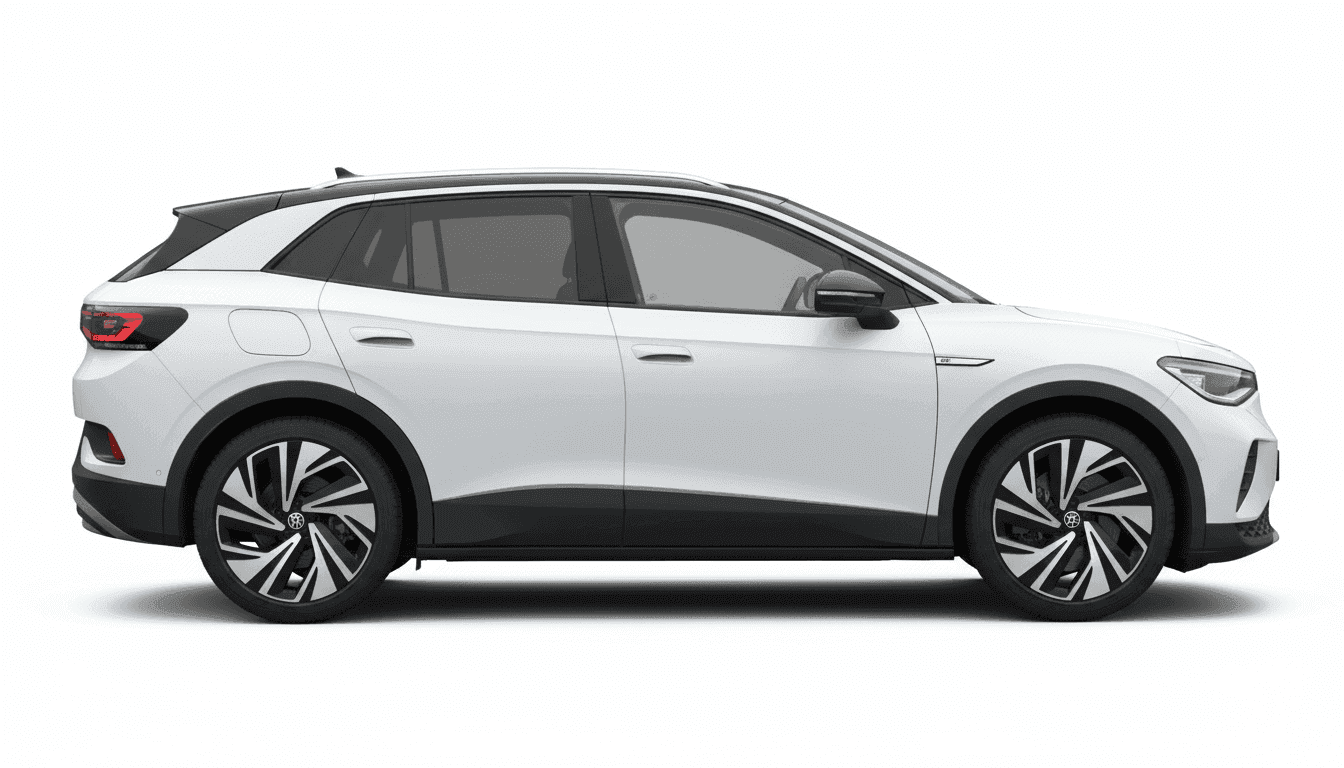
Amidst this surge, Volkswagen (VW) reclaimed its position as the dominant brand in Europe. After slipping to fifth place in 2024, VW achieved 426,325 sales in 2025, an unprecedented 86.8% year-on-year increase. This performance secured an 11% market share, making it the only brand to surpass the 10% threshold. The success was largely driven by the popularity of the ID range, including the ID.3, ID.4, and ID.7, which collectively accounted for 54.8% of its sales, while the Tiguan contributed another 14.2%. The German automaker showed exceptional strength in the fourth quarter with 52% growth. Looking ahead, VW aims to maintain its lead with six new EV launches in 2026, notably the ID.Polo, formerly known as the ID.2, set for a spring debut.
The Top 5 European EV Brands
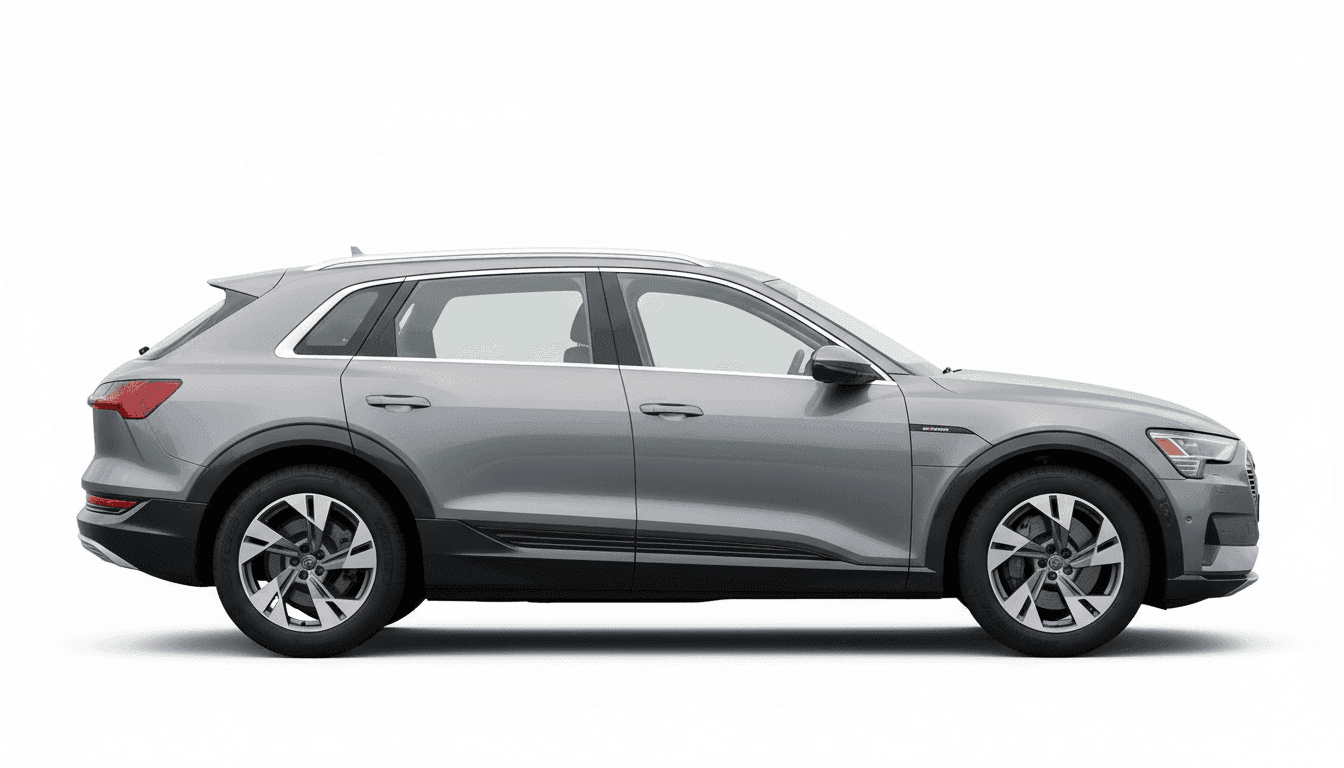
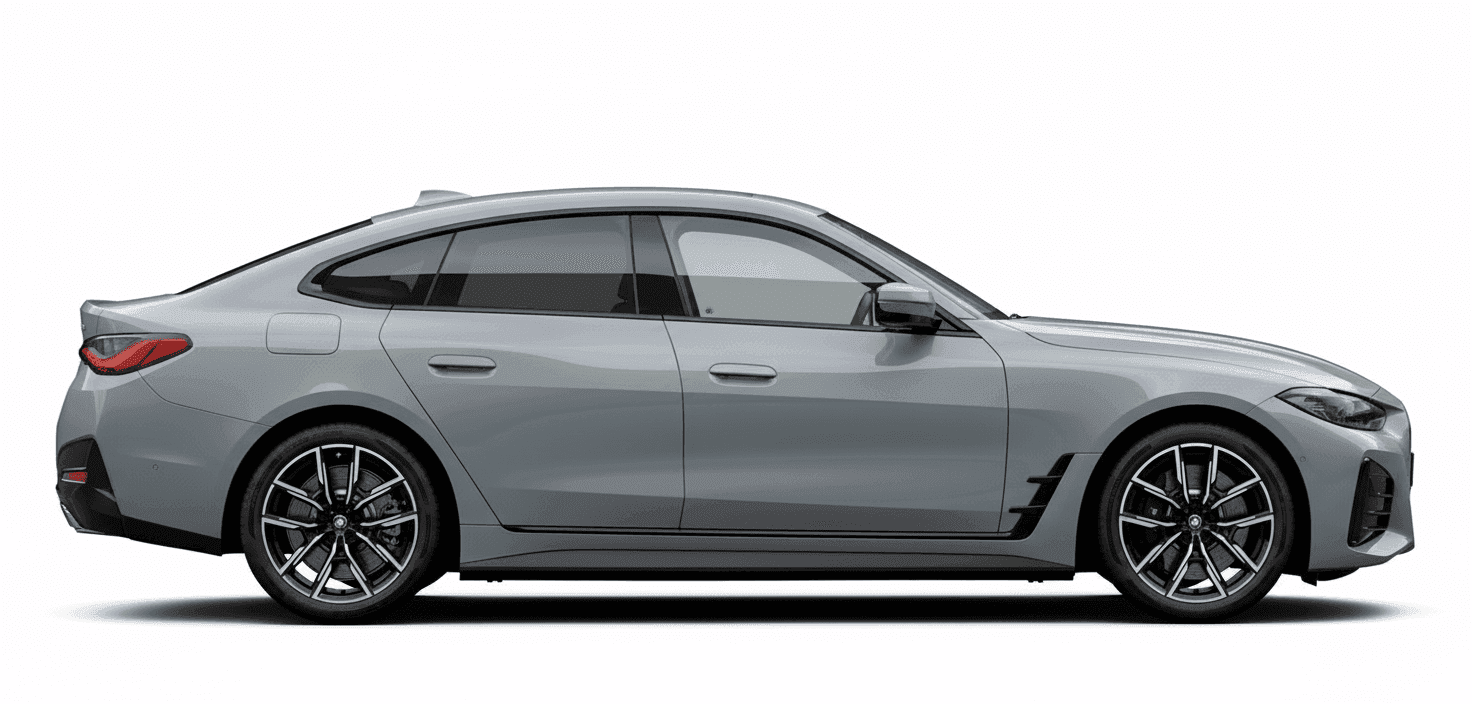
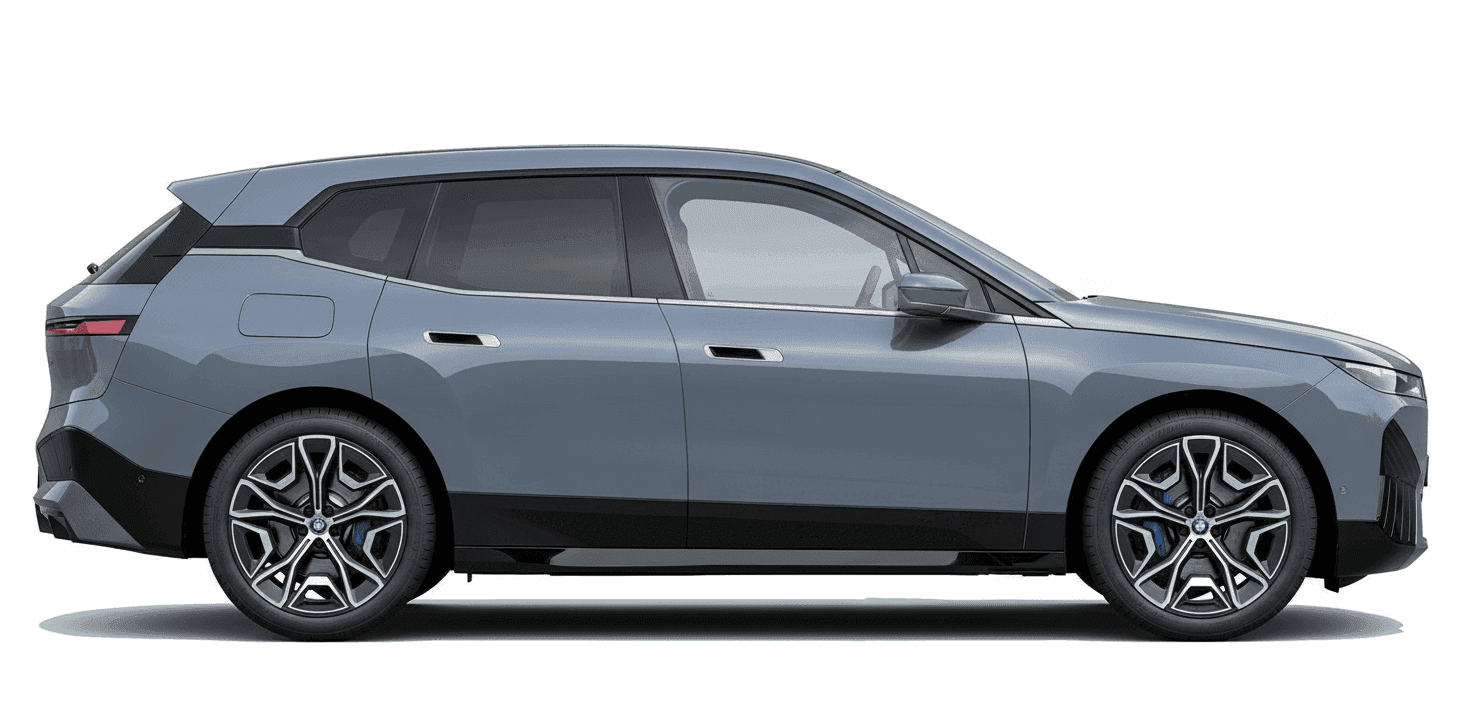
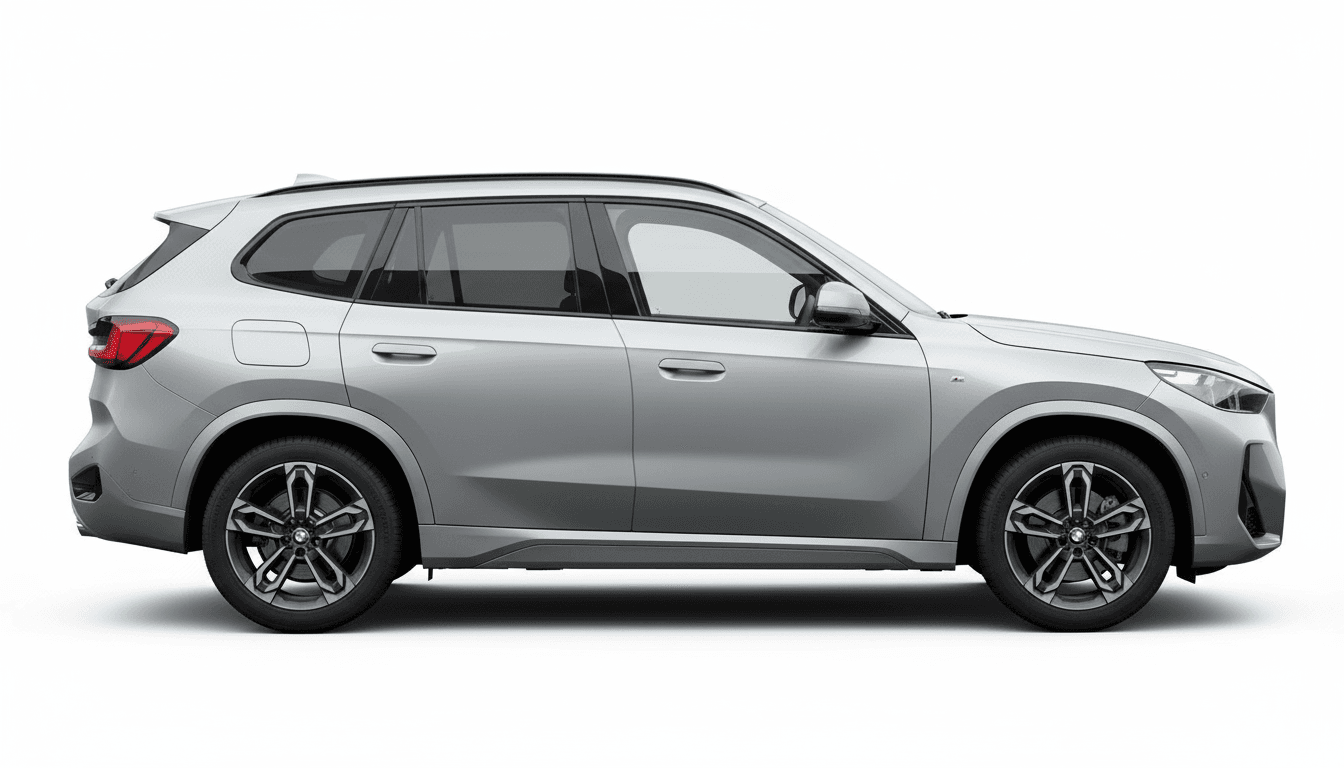
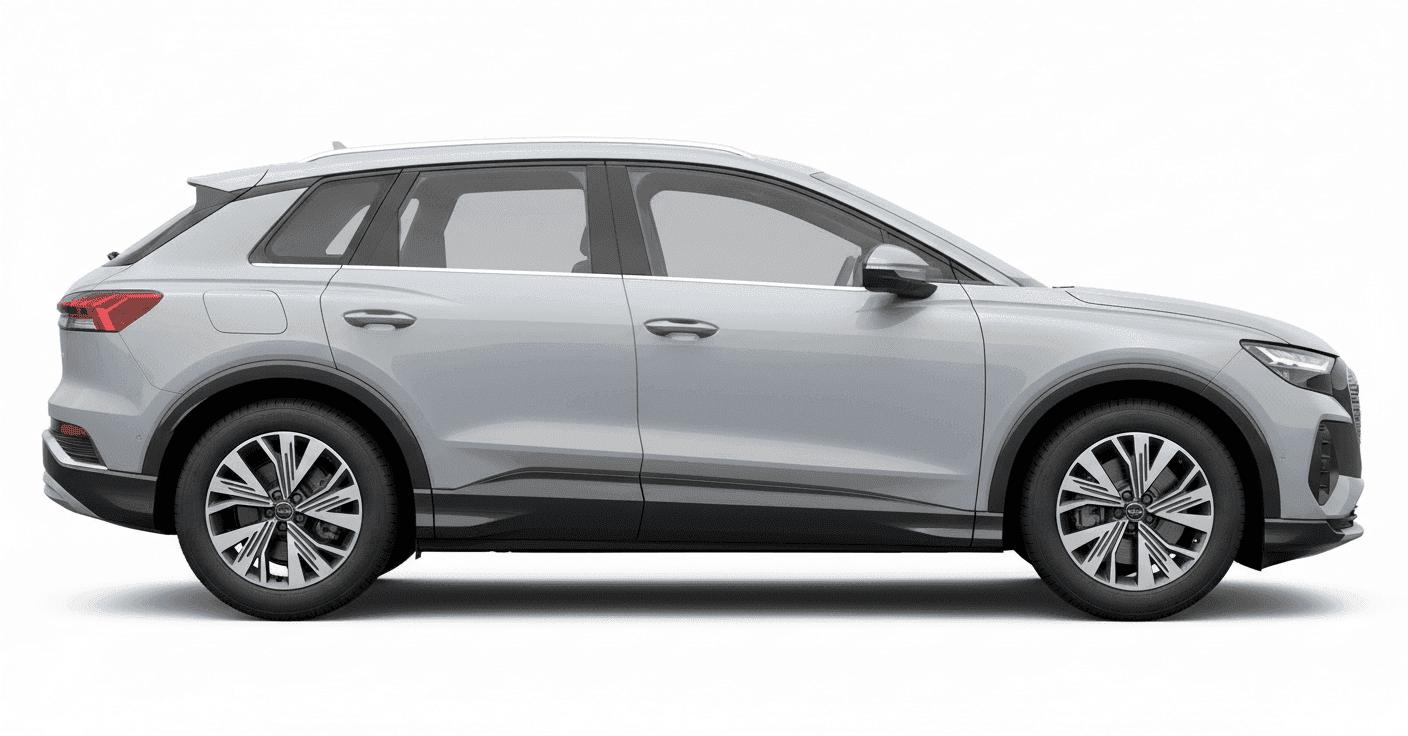
Completing the top three of the German trio was BMW and Mercedes-Benz. BMW secured second place for the fourth consecutive year with 337,298 units sold and a 15.6% increase, though its market share dipped to 8.7% due to heightened competition. The BMW iX1 led its sales at 20% of the total, followed by the i4 and X1. Mercedes-Benz clinched third with modest growth of 1.6% to 261,438 units sales, though its market share fell to 6.7%. Meanwhile, Tesla, which previously led from 2022 to 2024, dropped to fourth with a 27.1% sales decline to 238,511 units, reducing its market share to 6.1%. Audi rounded out the top five with a 33.3% increase to 229,898 units, driven largely by the Q4 e-tron which accounted for 27.2% of sales.
Shift in the Broader Market
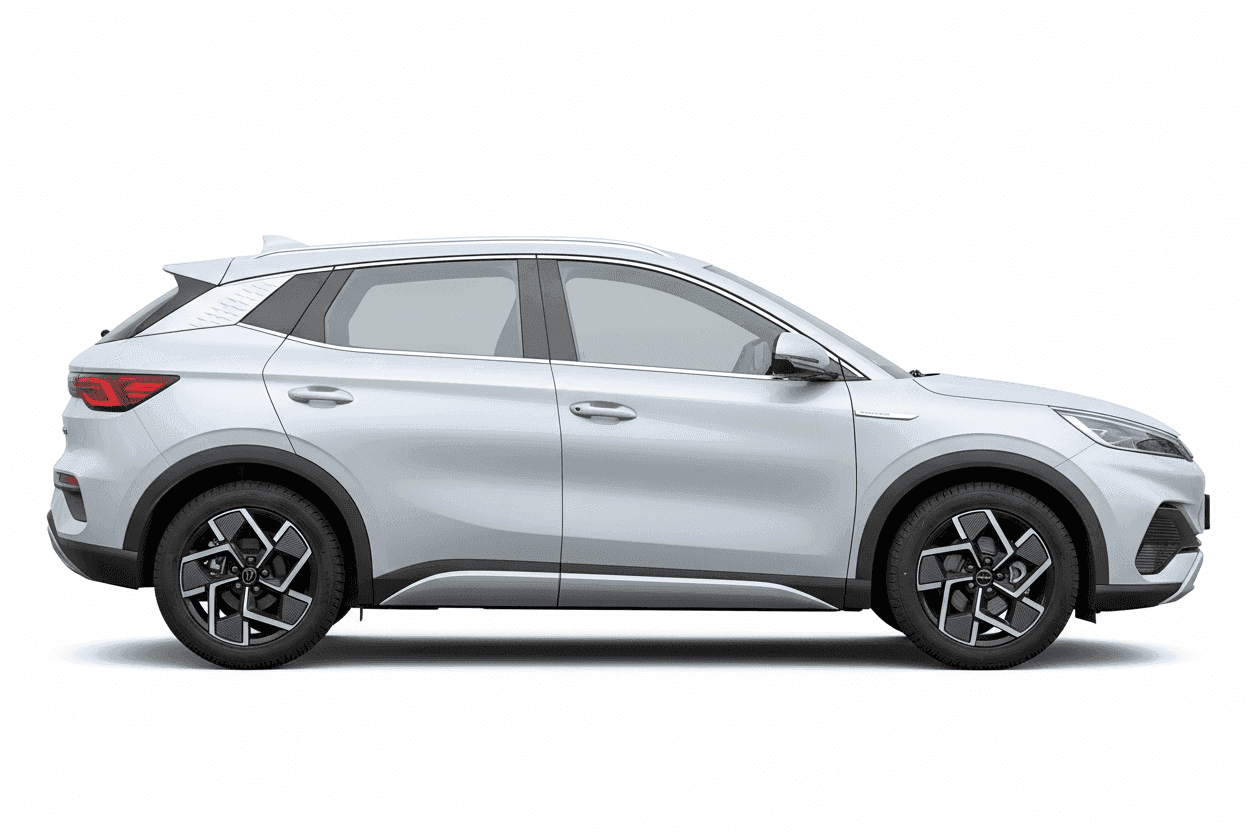
Significant shifts occurred outside the top five, as Skoda jumped to sixth with a massive 109.1% sales surge to 212,721 units, boosted by a 74.2% fourth-quarter increase. Conversely, Volvo slipped to seventh with a 13.1% drop to 207,098 units. Emerging players also made waves, with BYD recording the most dramatic growth at 271.8% to reach 187,112 sales and eighth place. Renault and Cupra completed the top ten, with sales increases of 87.3% and 69.3% respectively. Looking toward the future, 2026 promises a continuation of current trends driven by policy support and new technological advancements. German brands like VW, BMW, and Mercedes continue to dominate, while emerging players like BYD demonstrate the competitive landscape's evolving dynamics. Upcoming models, including the BYD Atto 3 Evo and the new electric Twingo, ensure sustained momentum in the market as consumer interest remains high.